
Pennsylvania One Health Consortium
2026 Annual Meeting
One Health in Action: From Data to Decisions
June 22, 2026 | Pittsburgh, PA
Funded by the University of Pittsburgh and Pennsylvania Department of Agriculture
PROGRAM
8:15–9:15 AM OPENING SESSION

Dean Maureen Lichtveld, MD, MPH
Dean, Jonas Salk Professor in Population Health and Professor of Environmental and Occupational Health, School of Public Health, University of Pittsburgh
Dr. Maureen Lichtveld, a member and Vice Chair of Council of the National Academy of Medicine (NAM),is Dean of the School of Public Health, the Jonas Salk Chair in Population Health, and Professor of Environmental and Occupational Health at the University of Pittsburgh with over 35 years of expertise in environmental health. As Dean, Dr. Lichtveld oversees seven academic departments, 1,200 students, 165 faculty and 320 staff. Her research focuses on environmentally induced disease, community-engaged environmental epidemiology studies, health disparities, climate and health, environmental health policy, disaster preparedness, public health systems and community resilience. Her expertise in climate and health is locally, nationally, and globally recognized. She is actively involved in Caribbean-wide climate and health research and research training examining the impact of climate change and associated contamination of seafood as a food safety and security issue, and climate adaptation associated with the impact of coastal erosion on forced migration of indigenous nations, including pregnant women with minimal access to health services. She provides technical expertise to several NAM and NASEM committees, including the NAM Grand Challenge in Climate and Health, HMD Boards, Roundtables, and Committees. She is a member of the National Research Council. Dean Lichtveld is the past-Chair of the Consortium of Universities for Global Health. She has co-authored the textbook on Environmental Policy and Public Health. Honors include Johns Hopkins University Society of Scholars, CDC Environmental Health Scientist of the Year, Woman of the Year of the City of New Orleans for contributions to science, and the Pittsburgh Business Times’ 2026 Women of Influence award.
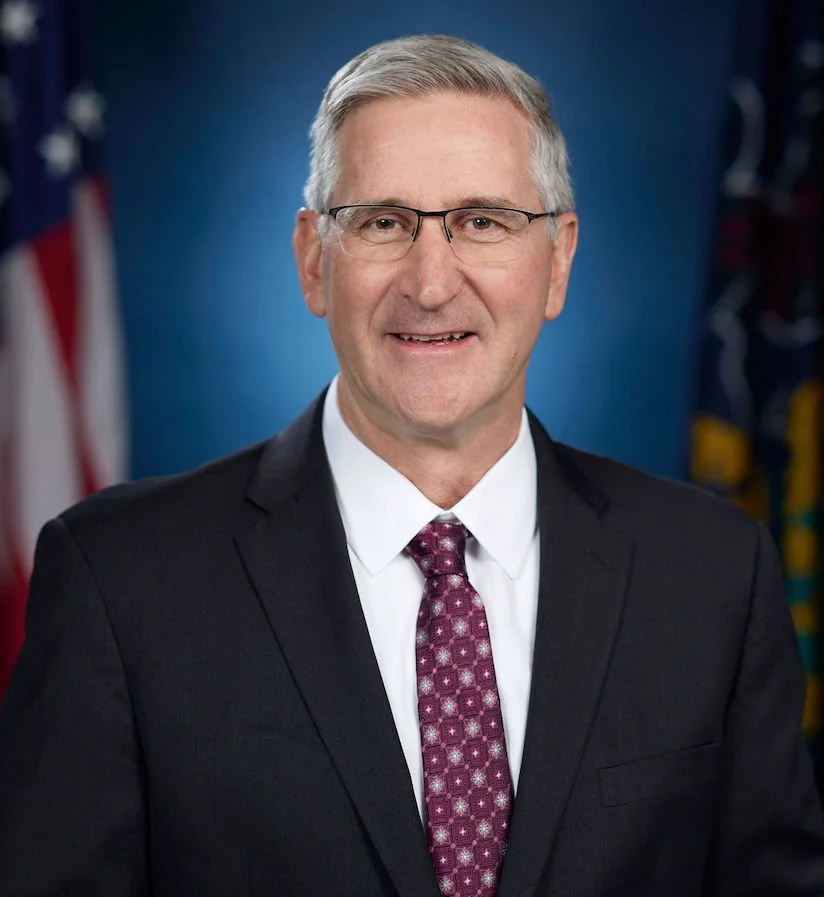
Secretary of Agriculture Russell Redding
Russell Redding was unanimously confirmed by the Pennsylvania Senate to serve as Pennsylvania’s 27th Secretary of Agriculture on May 10, 2023. Governor Josh Shapiro nominated Redding to continue serving as secretary, after he served from 2015 – 2022 under Governor Tom Wolf. He is the former dean of the School of Agriculture and Environmental Sciences at Delaware Valley University.
Redding has extensive experience as a public servant, having spent more than 30 years serving Pennsylvania in Harrisburg and Washington D.C. He worked on Capitol Hill as Ag Policy Advisor to U.S. Senator Harris Wofford and served for nearly 25 years in the Pennsylvania Department of Agriculture, serving as secretary from 2009-2011 under Governor Ed Rendell, and from 2015-2022 under Governor Tom Wolf. He currently serves on the Agriculture subcommittee of the USDA’s Equity Commission.
He earned his B.S. in Agriculture Education and M.S. in Agriculture and Extension Education from Penn State University. In addition, he is a graduate of the Agribusiness Executive program. A native of Pennsylvania, Redding has an innate understanding of food and agriculture, stemming from his youth on his family’s dairy farm and his time as a dairy farm operator. He and his wife Nina have two adult sons and own and operate a farm in Gettysburg.
Keynote
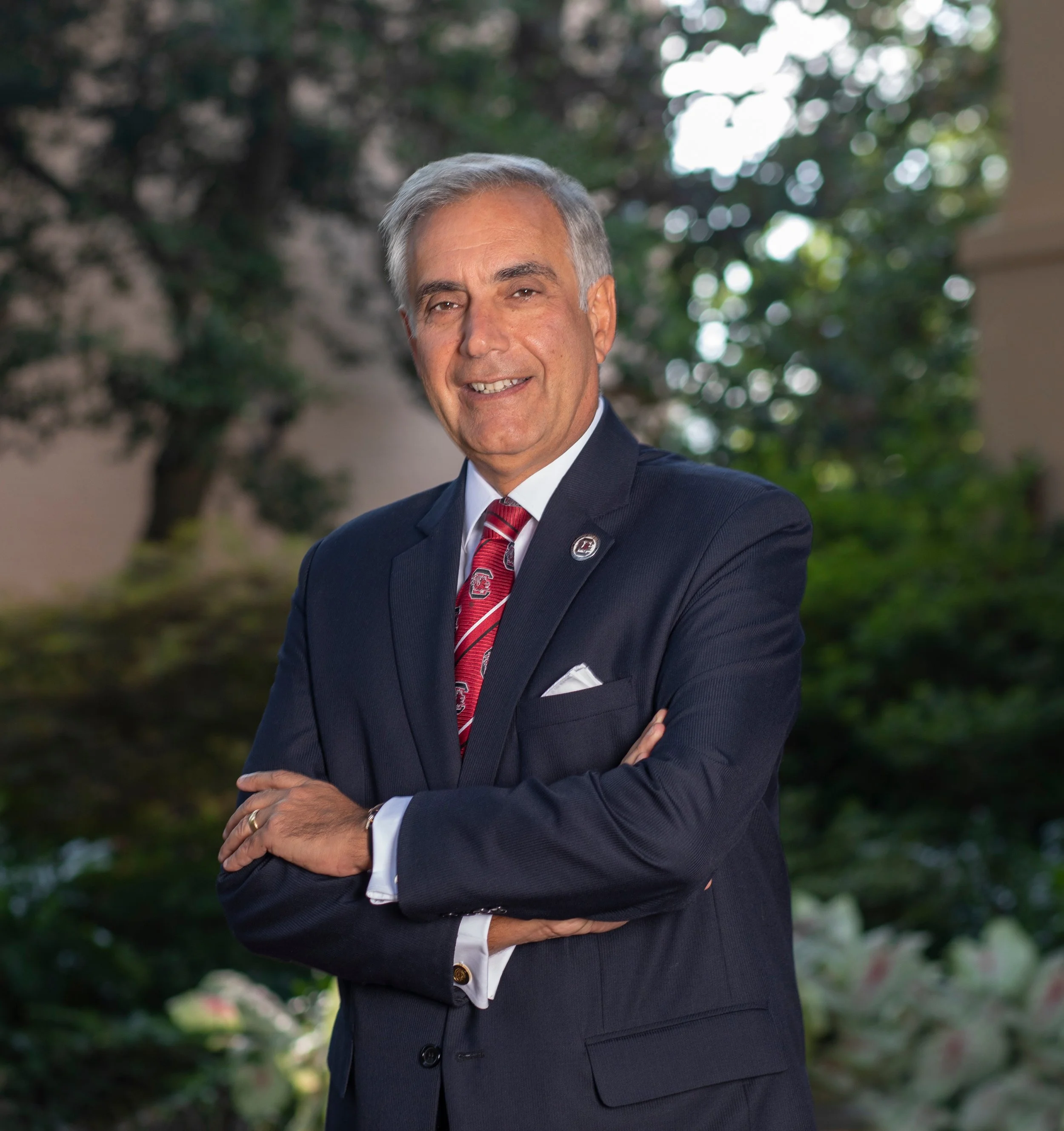
"From Data to Decisions Through the Lens of One Health"
Harris Pastides, PhD, MPH
Distinguished President Emeritus and Distinguished Professor Emeritus of the University of South Carolina
Harris Pastides is Distinguished President Emeritus and Distinguished Professor Emeritus at the University of South Carolina, having served as its 28th president (2008-2019) and Interim President (2021-2022). Since his arrival at the University in 1998, he has also held the positions of vice president for research and health sciences and dean of the Arnold School of Public Health.
Pastides is an advocate for student engagement beyond the classroom through leadership, service learning, international experience, internships and undergraduate research. He has spearheaded nontraditional programs to increase university access and affordability and has worked with universities in Cyprus, Greece, Oman and Qatar to help open avenues for higher education attainment and program development globally. Pastides was one of seven Fulbright alumni to receive the inaugural Global Changemaker Award. The son of Greek immigrants, he received the Ellis Island Medal of Honor in 2017.
Harris Pastides is currently on the Institute of International Education (Fulbright) Executive Committee, the University of Nicosia Medical School’s International Advisory Board, the Cyprus Research and Educational Foundation Board of Trustees, and the College Year in Athens board. He recently completed service on the Council for the International Exchange of Scholars (Fulbright Scholar Advisory Board) as chair; the Universities Research Association, as Trustee and past chair; and from 2020 to 2024 he was the only non-physician trustee of the American Medical Association. His work with the National Academies’ Talent Programs Study Committee produced International Talent Programs in the Changing Global Environment (released in late 2024).
Previous board membership includes the Uber National Safety Board; the Southeastern Conference (SEC), serving as board president 2018-2019; the National Collegiate Athletic Association (NCAA) Division I, which he chaired 2014-2016; and the Association of Public and Land-Grant Universities, serving two terms on its executive committee.
Before joining the University of South Carolina faculty, Pastides was a professor of epidemiology and chairman of the Department of Biostatistics and Epidemiology at the University of Massachusetts at Amherst. He received his Master of Public Health and his Ph.D. in epidemiology from Yale University.

Moderator/Speaker
"From Data to Action: The Role of AI in One Health"
Suresh Kuchipudi, PhD, MVSc, DipACVM, MBA
Professor and Chair, Department of Infectious Diseases and Microbiology, School of Public Health, University of Pittsburgh
Dr. Suresh Kuchipudi is the Professor and Chair of the Department of Infectious Diseases and Microbiology at the University of Pittsburgh School of Public Health, USA. Prior to joining the University of Pittsburgh, Dr. Kuchipudi held various academic and clinical positions. He served as the Dorothy Foehr Huck and J. Lloyd Huck Chair Professor in Emerging Infectious Diseases at the Penn State Huck Institutes of the Life Sciences and director of Penn State Veterinary Diagnostic Laboratory. He was previously faculty at the University of Nottingham in the UK. Dr. Kuchipudi is a veterinary clinician with a Ph.D. in virology from the University of Glasgow, UK, an MBA from Penn State Smeal College of Business, and a diplomate in virology and immunology from the American College of Veterinary Microbiologists (ACVM). His primary research focuses on emerging and zoonotic viruses; his multidisciplinary research aims to understand virus spillover and adaptation, developing innovative diagnostics, vaccines, and therapeutics. He promotes a transdisciplinary approach through 'One Health' initiatives, fostering multisector partnerships and building impactful international collaborations.
Facilitator

Dr. James (Jim) Holt’s love for animals began at an early age, he has been an avid horse rider since he was 9 years old. While riding Hunters and Jumpers, the highlight of his riding career was when he rode in a Grand Prix at age 16. It was this love of horses that translated into a passion to become a veterinarian.
Panel 1 — Predictive Modeling & AI
9:15–9:25 AM
Moderator/Speaker
"From Data to Action: The Role of AI in One Health"
Suresh Kuchipudi, PhD, MVSc, DipACVM, MBA
Professor and Chair, Department of Infectious Diseases and Microbiology, School of Public Health, University of Pittsburgh
Dr. Suresh Kuchipudi is the Professor and Chair of the Department of Infectious Diseases and Microbiology at the University of Pittsburgh School of Public Health, USA. Prior to joining the University of Pittsburgh, Dr. Kuchipudi held various academic and clinical positions. He served as the Dorothy Foehr Huck and J. Lloyd Huck Chair Professor in Emerging Infectious Diseases at the Penn State Huck Institutes of the Life Sciences and director of Penn State Veterinary Diagnostic Laboratory. He was previously faculty at the University of Nottingham in the UK. Dr. Kuchipudi is a veterinary clinician with a Ph.D. in virology from the University of Glasgow, UK, an MBA from Penn State Smeal College of Business, and a diplomate in virology and immunology from the American College of Veterinary Microbiologists (ACVM). His primary research focuses on emerging and zoonotic viruses; his multidisciplinary research aims to understand virus spillover and adaptation, developing innovative diagnostics, vaccines, and therapeutics. He promotes a transdisciplinary approach through 'One Health' initiatives, fostering multisector partnerships and building impactful international collaborations.
9:25–9:32 AM
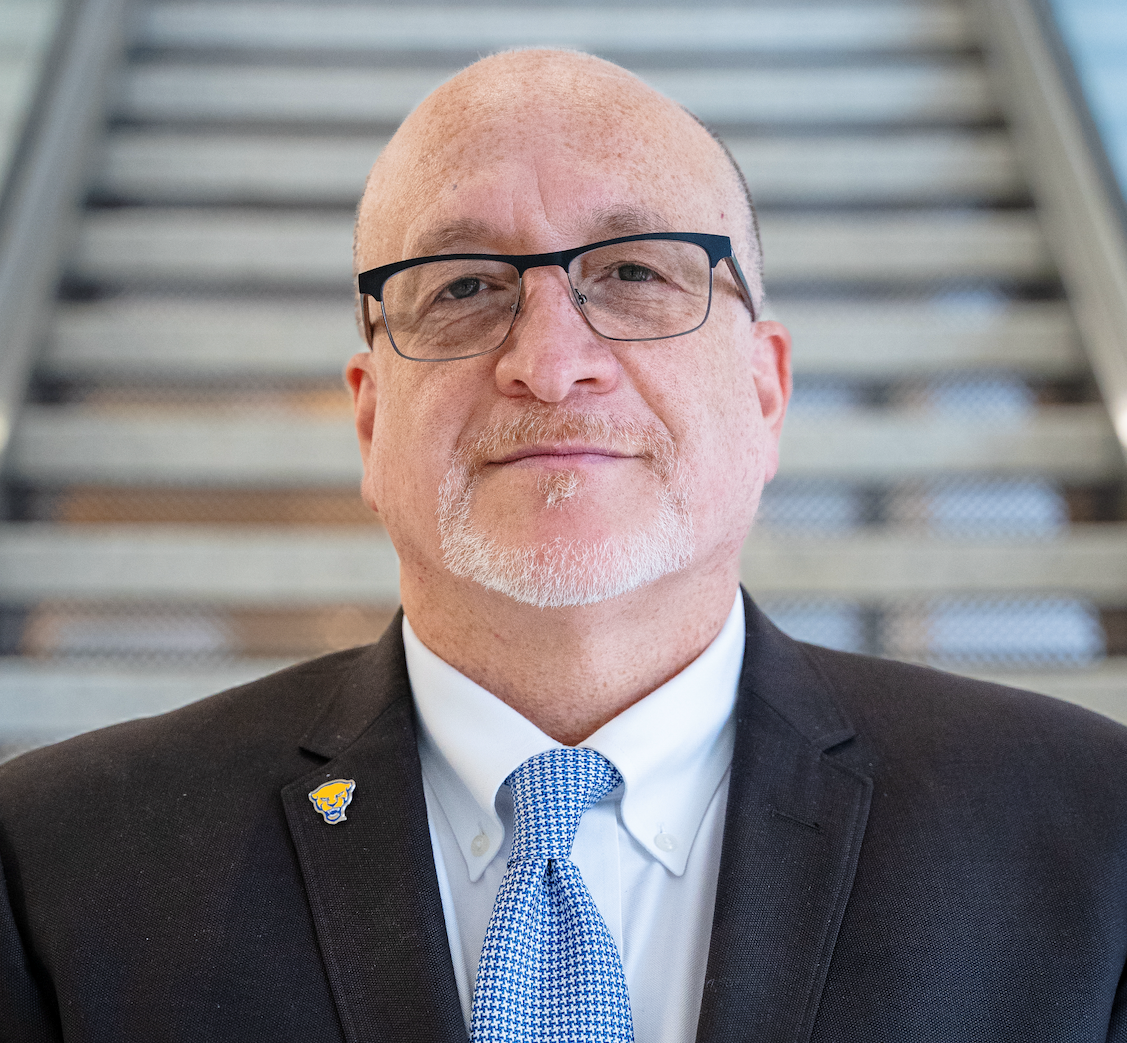
"Pitt’s unique AI innovations in Auto-ML and Agentic AI: Reshaping the Future of Medical Care, Education and Research"
Hooman Rashidi, MD, MS, FCAP
Associate Dean of AI in Medicine, Professor & Endowed Chair of Lombardi-Shinozuka Experimental Pathology Research, University of Pittsburgh School of Medicine; Executive Vice Chair of Computational Pathology & Informatics, UPMC; Executive Director, CPACE
Dr. Rashidi is the Associate Dean of AI in Medicine, Professor and Endowed Chair of Lombardi-Shinozuka Experimental Pathology Research, Executive Director of the Computational Pathology & AI Center of Excellence (CPACE), and Executive Vice Chair of the Computational Pathology & Informatics Division at UPMC. He focuses on advancing AI- and ML-driven solutions across clinical care, research, and education, and is the inventor and developer of numerous AI products being licensed or in the process of licensing by multiple organizations, including MILO, STNG, Pitt-GPT-plus, WSI-Genie, Auto-Pix-AI, Script-IQ, and Edit-Tron, among others. He also developed Cleveland Clinic’s AI course and Pitt’s newest no-code interactive AI program, Pitt-AI-cademy. Internationally recognized for his contributions, he has held senior editorial roles in leading pathology and informatics journals, delivered invited lectures worldwide, authored influential AI original manuscripts and review series, and served in key national leadership and committee roles shaping the future of AI and digital medicine.
9:32–9:39 AM

"Kidney Health: Leveraging AI to Bridge Risk and Prevention"
Sandra Kane-Gill, PharmD, MSc, FCCM, FCCP
Associate Dean of Faculty Affairs and Program Innovation, School of Pharmacy; Professor, Department of Pharmacy and Therapeutics; Professor, Department of Critical Care Medicine, Biomedical Informatics, University of Pittsburgh
andra L. Kane-Gill, PharmD, MSc, FCCP, FCCM, is a Tenured Professor of Pharmacy and Therapeutics and Associate Dean of Faculty Affairs and Programmatic Innovation at the University of Pittsburgh School of Pharmacy. She has secondary appointments in the School of Medicine, Clinical Translational Science Institute, Department of Critical Care Medicine, and Department of Biomedical Informatics. She also serves as faculty in the program for Critical Care Nephrology in the Department of Critical Care Medicine. In addition to her academic appointments, Dr. Kane-Gill is a critical care medication safety pharmacist in the Department of Pharmacy at UPMC.
Her research focuses on effective approaches for the detection, prevention, and management of medication errors and adverse drug events with emphasis on drug associated acute kidney injury. Dr. Kane-Gill is the principal investigator for federally funded research from the Agency for Healthcare Research and Quality (AHRQ) and National Institute of Diabetes and Digestive and Kidney Diseases (NIDDK). Her work has been presented at over 200 professional national and international meetings and she has published over 300 articles and book chapters related to critical care and patient safety. Dr. Kane-Gill was recognized in the top 1% of scholars in the world writing about medication errors in 2021. She was the president of the Society of Critical Care Medicine in 2022. Dr. Kane-Gill serves on the Board of Regents for the American College of Clinical Pharmacy and the Critical Care Specialty Board for the American Board of Internal Medicine.
9:39–9:46 AM
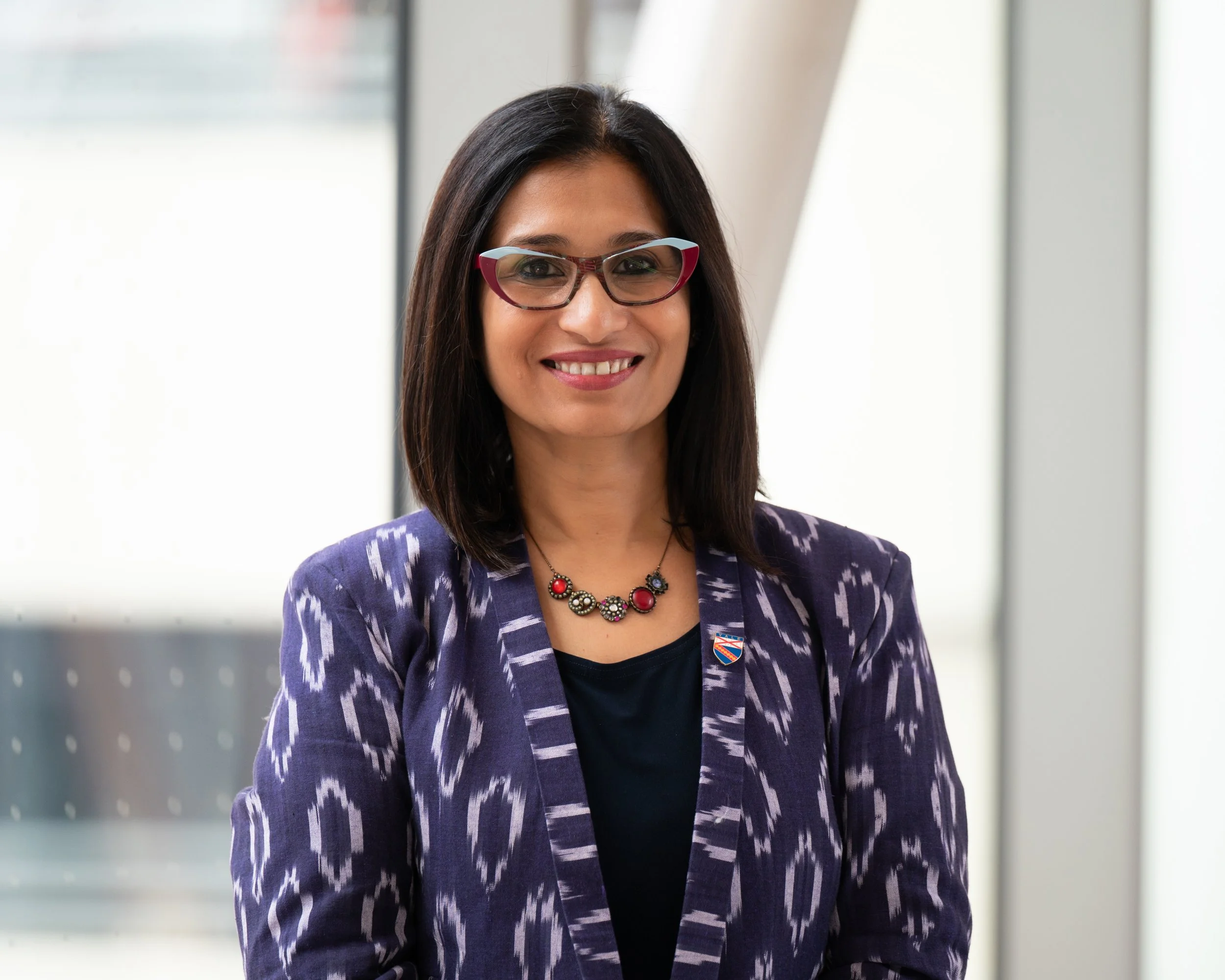
"Between the Prediction and the Prevention, Falls the Shadow"
Bhramar Mukherjee, PhD
Senior Associate Dean for Public Health Data Science and Data Equity, Anna MR Lauder Professor of Biostatistics, Professor of Epidemiology (Chronic Disease), Professor of Statistics and Data Science (Secondary), Yale School of Public Health
Professor Bhramar Mukherjee is the Anna M.R. Lauder Professor of Biostatistics and Professor of Chronic Disease Epidemiology at the Yale School of Public Health. Professor Mukherjee serves as the inaugural Senior Associate Dean of Public Health Data Science and Data Equity at the school. She holds a secondary appointment in the Department of Statistics and Data Science at Yale University. Across the pond, Dr. Mukherjee is appointed as an Overseas Fellow at Churchill College, University of Cambridge, and a Visiting Faculty at Ashoka University, India. Prior to joining Yale University in 2024, Dr. Mukherjee built a distinguished career at the University of Michigan where she was appointed as John D. Kalbfleisch Distinguished University Professor of Biostatistics and the first woman Chair of the Department of Biostatistics (2018-2024). She is known for her contribution to statistical methods for integration of genetic, environmental, and disease data from large healthcare databases and for her work on COVID-19 in India. She is the winner of many awards, including the 2023 Karl Peace award from the ASA for betterment of society through statistics, and the 2024 Marvin Zelen Leadership in Statistical science award from Harvard Biostatistics. She is a fellow of the ASA, IMS, AAAS, and an elected member of the US National Academy of Medicine. She has written more than 430 articles and supervised 22 PhD and 5 post-doctoral fellows. She is the founding director of several flagship undergraduate summer programs on big data. She is the 2026 President of ENAR, an eminent professional society for biostatisticians.
9:46–10:00 AM Discussion & Q&A
10:00–10:30 AM Morning Break (Poster Viewing and Judging)
Panel 2 — Human Health
10:30-10:40 AM
Moderator/Speaker
"Of People and Places: Where You Live Determines One’s Health"
Dean Maureen Lichtveld, MD, MPH
Dean, Jonas Salk Professor in Population Health and Professor of Environmental and Occupational Health, School of Public Health, University of Pittsburgh
Dr. Maureen Lichtveld, a member and Vice Chair of Council of the National Academy of Medicine (NAM), is Dean of the School of Public Health, the Jonas Salk Chair in Population Health, and Professor of Environmental and Occupational Health at the University of Pittsburgh with over 35 years of expertise in environmental health. As Dean, Dr. Lichtveld oversees seven academic departments, 1,200 students, 165 faculty and 320 staff. Her research focuses on environmentally induced disease, community-engaged environmental epidemiology studies, health disparities, climate and health, environmental health policy, disaster preparedness, public health systems and community resilience. Her expertise in climate and health is locally, nationally, and globally recognized. She is actively involved in Caribbean-wide climate and health research and research training examining the impact of climate change and associated contamination of seafood as a food safety and security issue, and climate adaptation associated with the impact of coastal erosion on forced migration of indigenous nations, including pregnant women with minimal access to health services. She provides technical expertise to several NAM and NASEM committees, including the NAM Grand Challenge in Climate and Health, HMD Boards, Roundtables, and Committees. She is a member of the National Research Council. Dean Lichtveld is the past-Chair of the Consortium of Universities for Global Health. She has co-authored the textbook on Environmental Policy and Public Health. Honors include Johns Hopkins University Society of Scholars, CDC Environmental Health Scientist of the Year, Woman of the Year of the City of New Orleans for contributions to science, and the Pittsburgh Business Times’ 2026 Women of Influence award.
10:40-10:47 AM
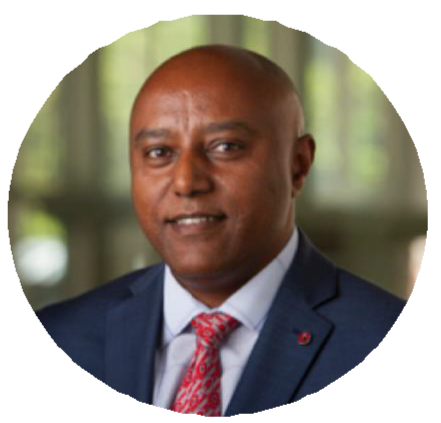
"The Inflection Point - The Critical Need for One Health Global Alliance"
Wondwossen Gebreyes, DVM, PhD, DACVPM
Distinguished Professor of Molecular Epidemiology, The Ohio State University, President, Global One Health and Founder and CEO, One Health Global Alliance (OHGA)
Dr. Wondwossen A. Gebreyes is an internationally recognized educator, scientist, and global health leader dedicated to capacity building through integrated training, applied research, and engagement at the global level.
Dr. Gebreyes earned his Doctor of Veterinary Medicine (DVM) from Addis Ababa University in Ethiopia and his PhD in Population Medicine from North Carolina State University. He is the founding Executive Director of the Global One Health initiative at The Ohio State University—one of the nation’s most comprehensive public, land-grant institutions—where he has played a pivotal role in advancing interdisciplinary collaboration across health sciences, agriculture, engineering, business, education, and the social sciences. In recognition of his leadership and scholarly impact, Dr. Gebreyes received the Hazel C. Youngberg Distinguished Professorship from The Ohio State University Office of Academic Affairs and was elected to the U.S. National Academy of Medicine (NAM). He has been instrumental in shaping and advancing the Global One Health paradigm, fostering collaboration across disciplines to address complex global health challenges.
Dr. Gebreyes currently serves in several prominent international leadership roles, including:
Member, Board of Trustees, International Livestock Research Institute (ILRI)
Member, Board of Directors, Science for Africa (SFA) Foundation
Member, Advisory Board, NIH Fogarty International Center
He is the Founder and CEO of the One Health Global Alliance (OHGA) and President of Ohio State Global One Health, LLC, a non-governmental, non-profit entity affiliated with The Ohio State University. The organization is licensed to operate in the State of Ohio and in sub-Saharan Africa, with headquarters in Addis Ababa, Ethiopia. Through this platform, Dr. Gebreyes has led numerous high-impact global initiatives, including efforts addressing COVID-19 social and public health impacts; the Global Health Security Agenda; NIH Fogarty research training programs focused on food-, water-, and vector-borne diseases in Kenya, Ethiopia, and Tanzania; and the Global Innovation Initiative (GII) in Brazil and Mexico. These programs employ integrated, community-engaged approaches to address critical global challenges such as epidemic and pandemic threats, food- and waterborne diseases (including cholera), and antimicrobial resistance, while strengthening institutional and human capacity across regions.
A molecular epidemiologist by training, Dr. Gebreyes is internationally renowned for his work on antimicrobial resistance—one of the most pressing global public health threats. He has led the application of state-of-the-art technologies to strengthen global research and training capacity and has mentored and advised more than 145 local and international students and scholars.
Among his notable academic and professional accomplishments:
Founder of the Global One Health Summer Institute, convened annually since 2012, engaging more than 8,500 trainees from over 75 countries and 20 U.S. states
Author of more than 260 peer-reviewed publications in leading scientific journals
Principal Investigator for multiple research and training programs funded by the NIH Fogarty International Center, CDC, U.S. Department of State, Global Innovation Initiative (U.S., U.K., Brazil), the Bill & Melinda Gates Foundation, and others
Secured more than $65 million in research and programmatic funding across two universities, including $35 million in the past five years.
Dr. Gebreyes has received numerous national and international honors; The Arnold Wedum Memorial Award (2025); the NIH Gold Medallion Award (2019); North Carolina State University Distinguished Alumni Award (2018); Universitas 21 International Award (2016); APLU Michael P. Malone International Leadership Award (2015); and honorable mention for the Andrew Heiskell Award from the Institute of International Education (IIE). He is also a Fellow of the American Council on Education (ACE).
10:47-10:54 AM

"Building Resilient Systems: A One Health Case for Integrated Surveillance in Suriname - Lessons from district Nickerie"
Firoz Abdoel Wahid, MD, MPH, PhD
Assistant Professor, Environmental and Occupational Health, University of Pittsburgh School of Public Health
Firoz Abdoel Wahid is an Assistant Professor in the Department of Environmental and Occupational Health at the University of Pittsburgh School of Public Health, where he also serves as the Faculty Representative for Sustainability. He is Associate Director of the Pennsylvania One Health Consortium. With nearly two decades of experience in public and environmental health, his work focuses on the intersections of environmental exposures, climate change, sustainability, and population health. Dr. Abdoel Wahid’s research spans the Caribbean and the United States, including studies on environmental contamination, maternal and child health, and disaster-related exposures. His work emphasizes a One Health framework to address complex challenges at the human–animal–environment interface.
10:54-11:01 AM

"Opportunities and challenges of One Health science, policy, and practice in LMICs and lessons learned"
Jessie Klousnitzer, PhD
NIH Fogarty Post-Doctoral Fellow, University of Pittsburgh
Dr. Klousnitzer is currently researching the impacts of extreme heat on agricultural workers and their families in Suriname . Additional research areas of interest include the effects of environmental factors on viral and bacterial illnesses.
11:01-11:15AM Discussion & Q&A
Panel 3 — Animal Health
11:15-11:25 AM
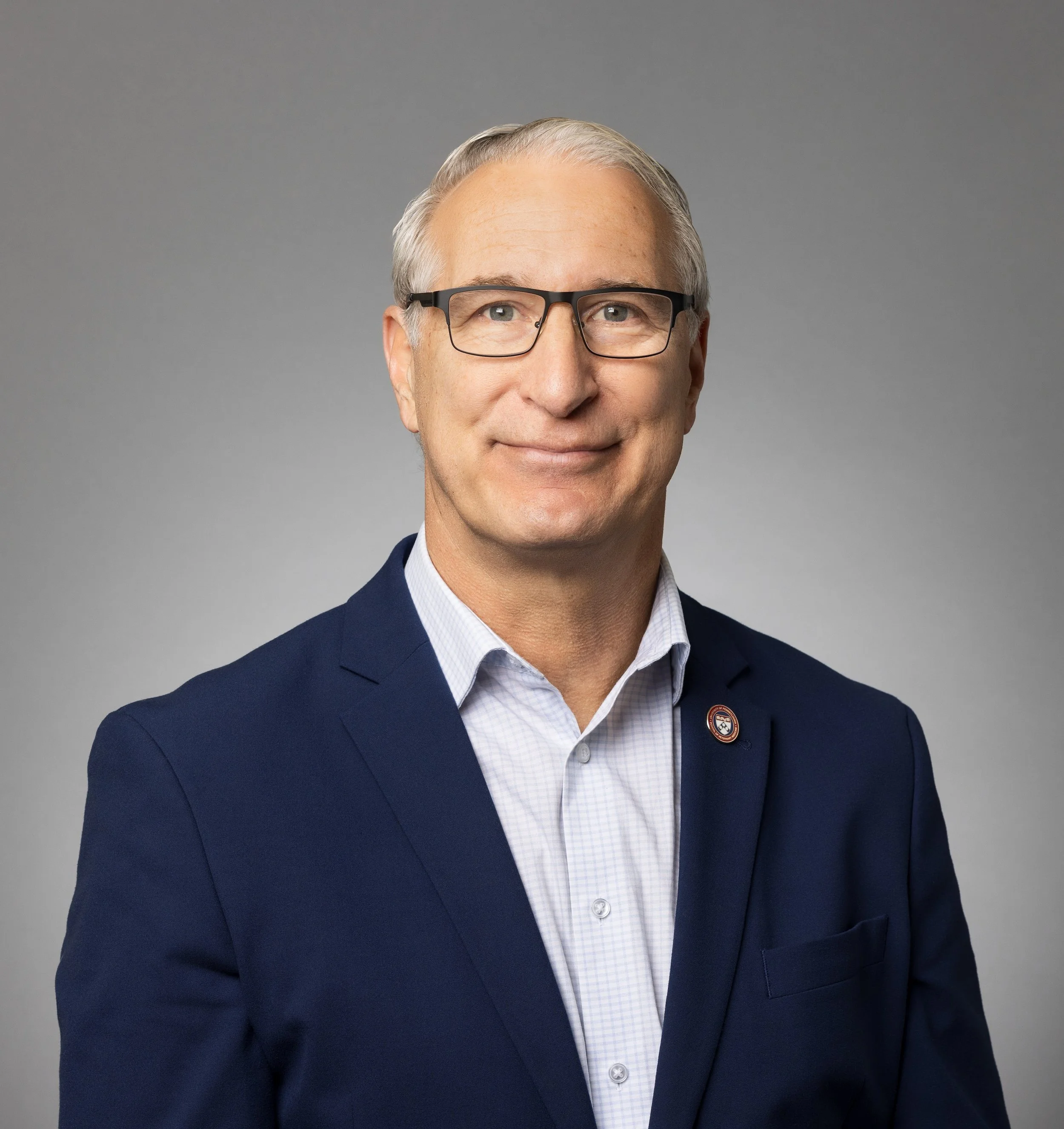
Moderator/Speaker
"Co-Designing the Future of Animal Health"
Dean Andrew Hoffman, DVM, DVSc, DACVIM (Large Animals)
Gilbert S. Khan Dean, School of Veterinary Medicine, Penn Vet, University of Pennsylvania
Dr. Andrew Hoffman is a large animal veterinarian who started his career in rural New England private practice. He is the Gilbert S. Kahn Dean of Veterinary Medicine at the University of Pennsylvania since 2018. Prior to his appointment as Dean, he was faculty at Tufts University for 24 years, where he assumed numerous leadership roles: Director of Equine Sports Medicine; Director of the Lung Function Testing Laboratory; Director of the Stem Cell Laboratory; and Director of the Regenerative Medicine Laboratory. His over 20 years of continuous NIH funding focused on therapies for emphysema and asthma, including AeriSealTM for human emphysema currently in U.S. clinical trials, and AeroHippusTM, which is the inhaler for treatment of equine asthma. Hoffman also developed a spectrum of non-invasive diagnostic lung function tests in animals ranging from mice to bottlenose dolphins to elephants. At the University of Pennsylvania (Penn) he founded the first Extracellular Vesicle core in the U.S. As Dean, Hoffman has focused on interdisciplinary and interprofessional scholarship for the veterinary profession including new dual degrees for VMD students, and founding the Institute of Infectious and Zoonotic Diseases, Center for Stewardship Agriculture and Food Security, and Wildlife Futures Program. He is a member of the National Academy of Practice, and serves on several advisory groups related to climate change and One Health, including founding Chair of the Climate Change Task Force of the American Association of Veterinary Medical Colleges, the National Academy of Medicine Action Collaborative (Education committee), the National Academy of Science Engineering and Medicine Environmental Health working subgroup, the Methane and Health working group of the Environmental Defense Fund, and Advisory Council for the Environmental Innovations Initiative among other things.
11:25-11:32 AM

"How Avian Flu Affected Us and Our Business”
Steven Horst
President, Fifth Day Farm Inc.
I am Stephen Horst, owner of Fifth Day Farm Inc. We raise and breed Pearl guineas to produce keets and fertile eggs for live market and backyard needs. My father-in-law Joel Martin started hatching silkies and then guineas in the late 1990’s. As the small family business grew to include ducks, chickens, and geese, us four sons-in-law also started joining to help with the different poultry lines. I started helping Joel in 2008 with guinea artificial insemination, then 2 year later started managing the Muscovy and Khaki Campbell ducks. In 2022, Joel started his retirement, and we assumed responsibly for the guinea production since then. More of our story and products can be found at freedomrangerhatchery.com.
I personally enjoy working with poultry, and having my family involved. We aim to continue providing excellent products for our customers who range from purchasing 10 keets for backyard needs to 10,000 keets for commercial meat production. Some purchase guineas to raise for tick control, whiles others buy to raise for the popular live city markets, or a fancy cruise ship dinner. We also offer fertile eggs for sale in a dozen quantities or by the case. Other services we provide are wing pinioning, and sexing of keets. We ship to all United States and export some.
11:32-11:39 AM

"Livestock Behavior and AI: The Part It Plays in PA One Health"
Daniel Foy
Co-Founder & CEO, AgriGates
Daniel Foy is the Co-Founder and CEO of AgriGates, a U.S.-based AgriTech company focused on Precision Livestock Farming and behavioral intelligence systems. AgriGates develops next-generation tools that integrate wearable sensors, video, and audio data with edge computing and AI models to generate real-time insights on animal behavior. These technologies support improved animal welfare, farm sustainability, and farmer-owned data value at the production level.
Daniel serves as Chair of SENSTARA, the European Federation of Animal Science (EAAP) Working Group on Sensors and Standards Development, where he leads an international effort to establish standardized protocols and data frameworks for behavioral and biometric research.
Originally from rural Ireland, Daniel holds a degree in Applied Pharmacology from Scotland and is now based in Philadelphia as a U.S. citizen. He brings over a decade of experience in AgriTech, working across academia, industry, and government in North America and Europe. He is an Industry Representative to the EAAP Precision Livestock Farming Study Commission and an active contributor to the National Institute of Animal Agriculture.
Daniel is also a founder of the DAT-AI-LAB at the University of Pennsylvania School of Veterinary Medicine’s New Bolton Center. The lab serves as a collaborative, on-farm research hub focused on generating high-quality annotated datasets, management and machine learning models for real-world livestock applications.
11:39-11:46 AM
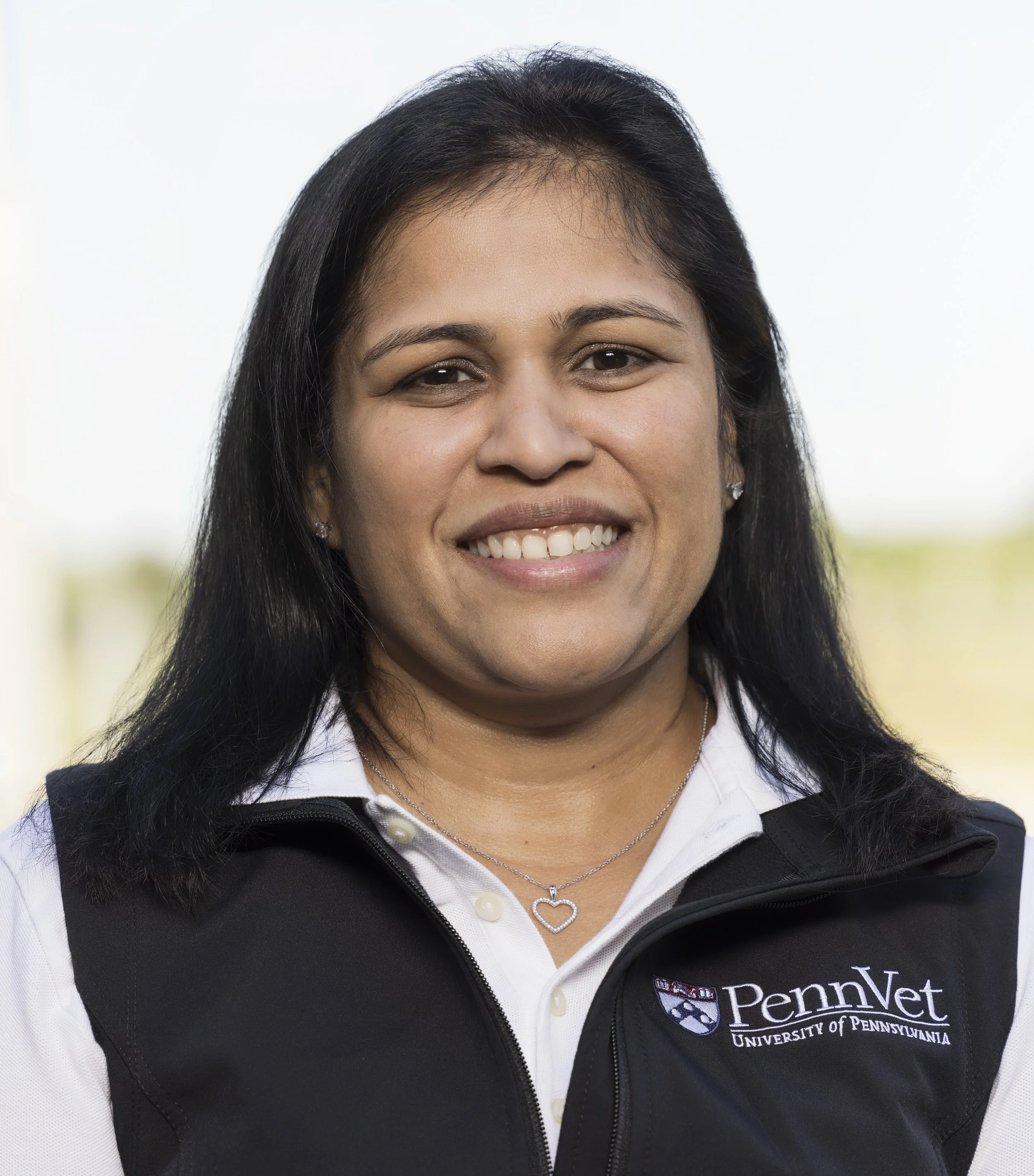
"Microbiome-Driven Approaches for Enhancing Ruminant Health and Sustainability”
Dipti Pitta, BVSc, MVSc, PhD
Mark Whittier and Lila Griswold Professor of Ruminant Nutrition, School of Veterinary Medicine, University of Pennsylvania
Dr. Dipti Pitta is the Mark Whittier and Lila Griswold Allam Professor of Ruminant Nutrition at the University of Pennsylvania School of Veterinary Medicine. A veterinarian with a PhD in ruminant nutrition and microbiology from Massey University, New Zealand, she leads the Agricultural Systems and Microbial Genomics (ASMG) Laboratory at New Bolton Center. Her research focuses on the rumen microbiome and its critical role in animal health, productivity, and environmental sustainability. She emphasizes early-life microbial interventions to improve growth, immune function, and long-term resilience in dairy cattle. By integrating microbial ecology, fermentation biology, and advanced genomic tools, her work advances strategies to enhance animal health while reducing enteric methane emissions and antimicrobial resistance. Dr. Pitta’s program is supported by over $8 million in funding from federal agencies, industry, and commodity groups. She has mentored over 40 students and trainees, contributing to workforce development and innovation in agricultural and veterinary sciences.
11:46-12:00 AM Discussion & Q&A
Panel 4 — Food Safety & Recall Case Study
12:00–1:00 PM Lunch & Recall Case Study Panel

Moderator: Dean Maureen Lichtveld, MD, MPH
Dean, Jonas Salk Professor in Population Health and Professor of Environmental and Occupational Health, School of Public Health, University of Pittsburgh
Dr. Maureen Lichtveld, a member and Vice Chair of Council of the National Academy of Medicine (NAM),is Dean of the School of Public Health, the Jonas Salk Chair in Population Health, and Professor of Environmental and Occupational Health at the University of Pittsburgh with over 35 years of expertise in environmental health. As Dean, Dr. Lichtveld oversees seven academic departments, 1,200 students, 165 faculty and 320 staff. Her research focuses on environmentally induced disease, community-engaged environmental epidemiology studies, health disparities, climate and health, environmental health policy, disaster preparedness, public health systems and community resilience. Her expertise in climate and health is locally, nationally, and globally recognized. She is actively involved in Caribbean-wide climate and health research and research training examining the impact of climate change and associated contamination of seafood as a food safety and security issue, and climate adaptation associated with the impact of coastal erosion on forced migration of indigenous nations, including pregnant women with minimal access to health services. She provides technical expertise to several NAM and NASEM committees, including the NAM Grand Challenge in Climate and Health, HMD Boards, Roundtables, and Committees. She is a member of the National Research Council. Dean Lichtveld is the past-Chair of the Consortium of Universities for Global Health. She has co-authored the textbook on Environmental Policy and Public Health. Honors include Johns Hopkins University Society of Scholars, CDC Environmental Health Scientist of the Year, Woman of the Year of the City of New Orleans for contributions to science, and the Pittsburgh Business Times’ 2026 Women of Influence award.

Iulia Vann, MD, MPH
Director, Allegheny County Health Department
Dr. Iulia Vann is a distinguished public health leader dedicated to advancing health equity, innovative policy development, and systemic change. As the Public Health Director for Allegheny County, she leads the strategic implementation of the Health Department’s priorities including Plan for Healthier Allegheny, a comprehensive community health initiative addressing physical health, behavioral health, and environmental health.
With an extensive background in public health administration, Dr. Vann oversees multimillion-dollar budgets and large-scale public health operations, ensuring that data-driven, equity-focused policies drive community health improvements. Her expertise spans social justice, health disparities, and federal, state, and local health policy. She has played a pivotal role in addressing emerging health threats, including serving as a Public Health Incident Commander during the COVID-19 response.
Dr. Vann holds a Master of Public Health from East Carolina University and a Doctor of Medicine from the University of Medicine and Pharmacy Carol Davila. She is a champion of community engagement, workforce development, and collaborative public health interventions, ensuring that all residents -particularly the most vulnerable - have the opportunity to lead healthy lives.
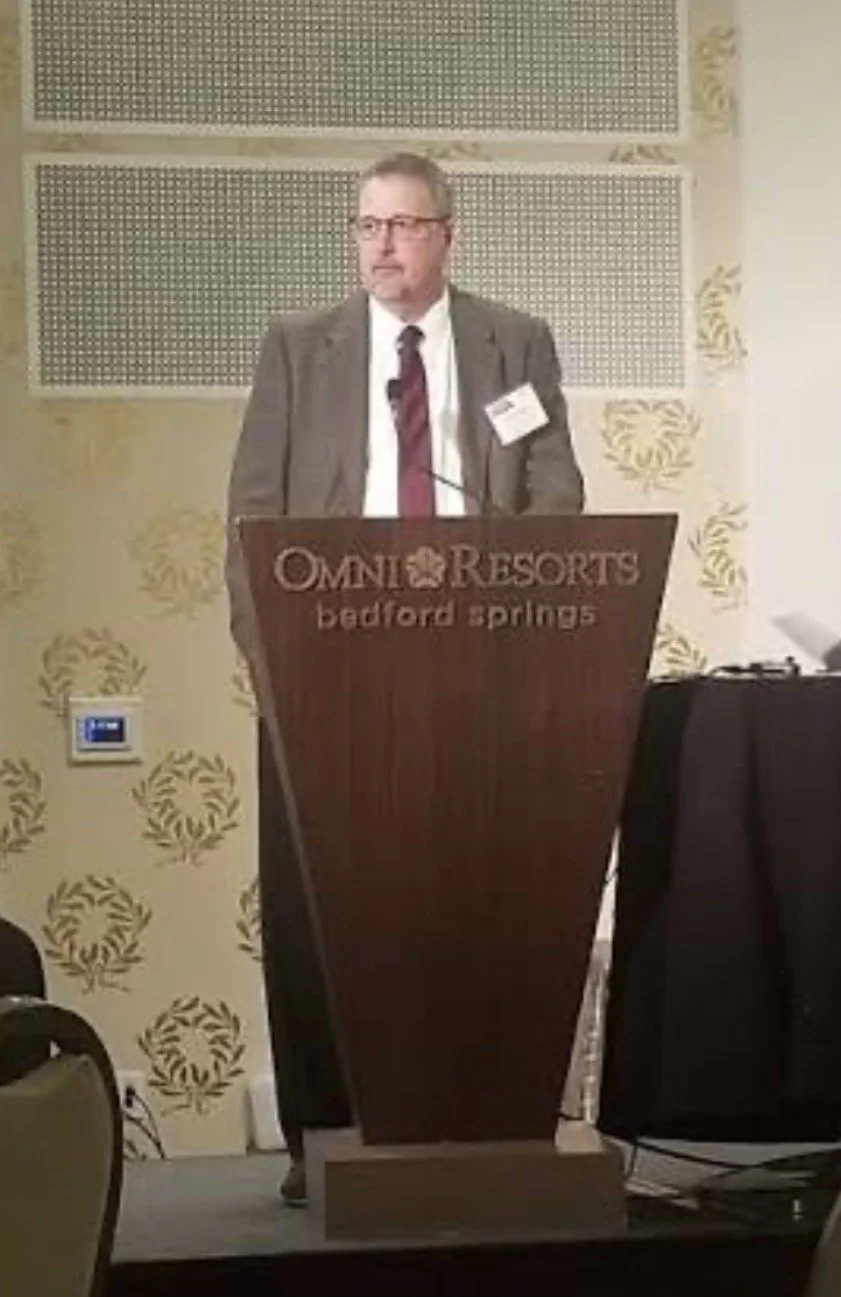
Daniel L. McNabb
Owner, Independent Operator of Castle Shannon SHOP’n SAVE & Cranberry SHOP’n SAVE, and Member, Board of Directors Pennsylvania Food Merchants Association
Daniel McNabb is a lifelong Pittsburgh-area resident currently living in Bethel Park, PA. A third-generation participant in the food retail industry, he has spent 45 years building a successful career in grocery retail alongside his wife, Judy, whom he met at Penn State University. Over their 40-year marriage, they have raised three children and now own and operate two SHOP'n SAVE stores in the Pittsburgh area, continuing a family legacy that began when Judy's grandfather established his own store in Braddock, PA. Former Chairman for the Pennsylvania Food Merchants Association (PFMA) 2009 - 2011and Legislative Committee Member for Pennsylvania Food Merchants Association 1994 - 2026. Outside of his work in retail, Daniel enjoys pursuing interests in golfing, outdoor activities, and wine appreciation.

Kristal Southern, DVM, MPH, PMP, DACVPM
Biological Scientific Information Specialist and Liaison, Microbiological and Chemical Hazards Staff, Office of Public Health Science
Dr. Kristal Southern is a senior public health specialist and veterinarian at the U.S. Department of Agriculture Food Safety and Inspection Service. She received her Doctor of Veterinary Medicine from Tuskegee University, completed a master's in public health informatics at the University of Illinois at Chicago, is a certified project manager, and a Diplomate of the College of Veterinary Preventive Medicine. With a career spanning more than 25 years, Dr. Southern has experience providing leadership and mentorship on the surveillance, management, and epidemiologic investigation of foodborne consumer complaints, outbreaks, and recalls and providing domestic and international subject matter expertise on zoonoses, regulatory food safety, and public health. She previously managed the operations of a federal advisory committee on microbiological criteria in foods. In her role, Dr. Southern also provides leadership in communicating and coordinating agency initiatives and large-scale projects. She also maintains her clinical skills by working in a small animal hospital in Maryland.
Samira Godbolt (BS)
Student at North Carolina A&T University; Pitt Public Health Undergraduates Scholars Program
Panel 5 — Plant & Ecosystem Health
1:00–1:10 PM
Moderator/Speaker
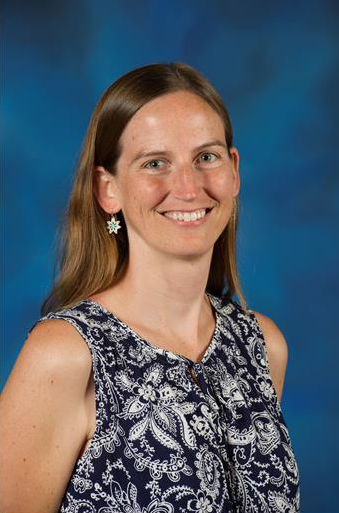
"A [Not So] Silent Spring: examining the resilience of amphibian communities to emerging infectious diseases and other global change threats"
Cori Richards-Zawacki, PhD
Professor, Department of Biological Sciences, University of Pittsburgh; Director, Pymatuning Laboratory of Ecology
Cori Richards-Zawacki is an amphibian biologist, professor, and the director of the Pymatuning Laboratory of Ecology (the University of Pittsburgh’s biological field station). Research in her lab is focused on (1) how climate change and disease interact to affect amphibian biodiversity, (2) how amphibian populations and communities can recover after epizootics of chytridiomycosis, and (3) developing tools to facilitate discovery and quantification of rare and recovering species and their pathogens. Another focus of the lab has been on developing authentic research experiences in biology for use in middle school, high school and undergraduate classrooms.
1:10–1:17 PM
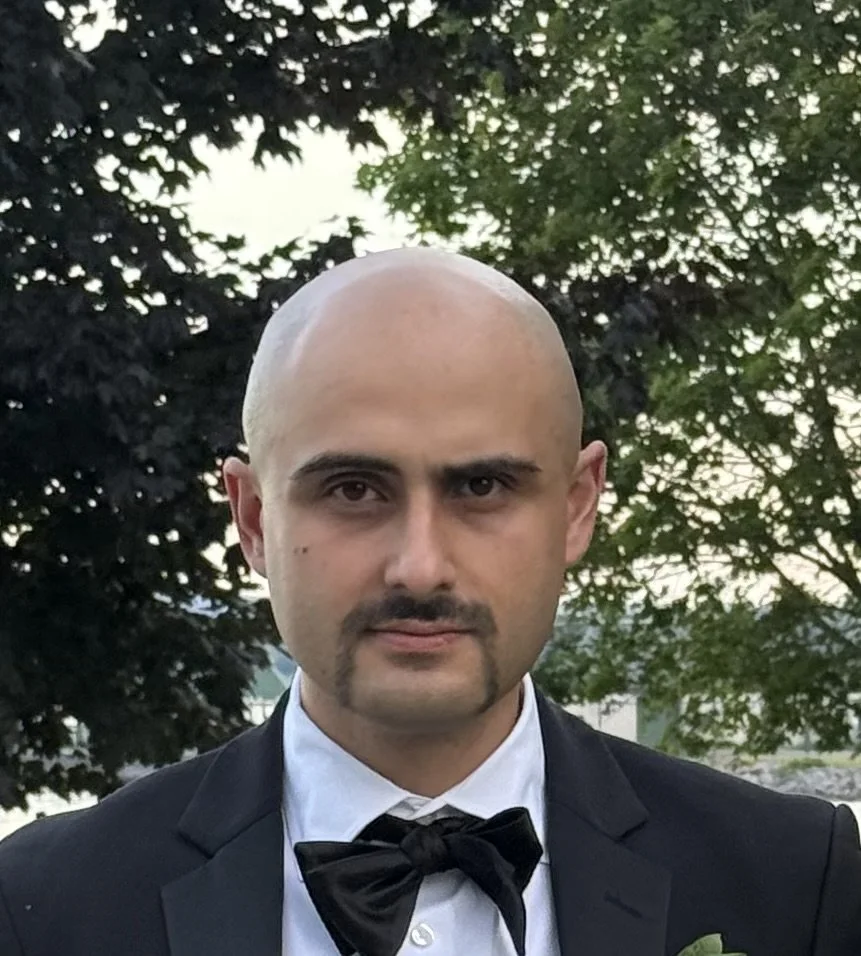
"Pyrohealth Synchrony: integrating wildland fire into One Health to benefit plants, animals, ecosystems, and people"
Samuel Gilvarg, PhD Candidate
Applied Forest & Fire Ecology Lab, Dept. of Sustainable Resources Management, SUNY College of Environmental Science and Forestry; Nationally Registered Emergency Medical Technician
Sam Gilvarg is a PhD candidate in Dr. Andrew Vander Yacht’s Applied Forest and Fire Ecology Laboratory at SUNY College of Environmental Science & Forestry. Gilvarg’s research primarily explores how the “One Health” approach can be employed to address problems related to wildland fire that exist at the interface of human wellbeing, animal health, and environmental conservation. Currently he is focused on studying how fire management interacts with tick populations in Northeast Pitch Pine Barrens. Gilvarg holds a B.A. (Environmental Studies & History) from Gettysburg College and a M.S. (Conservation Medicine) from the Cummings School of Veterinary Medicine at Tufts University.
1:17-1:24 PM
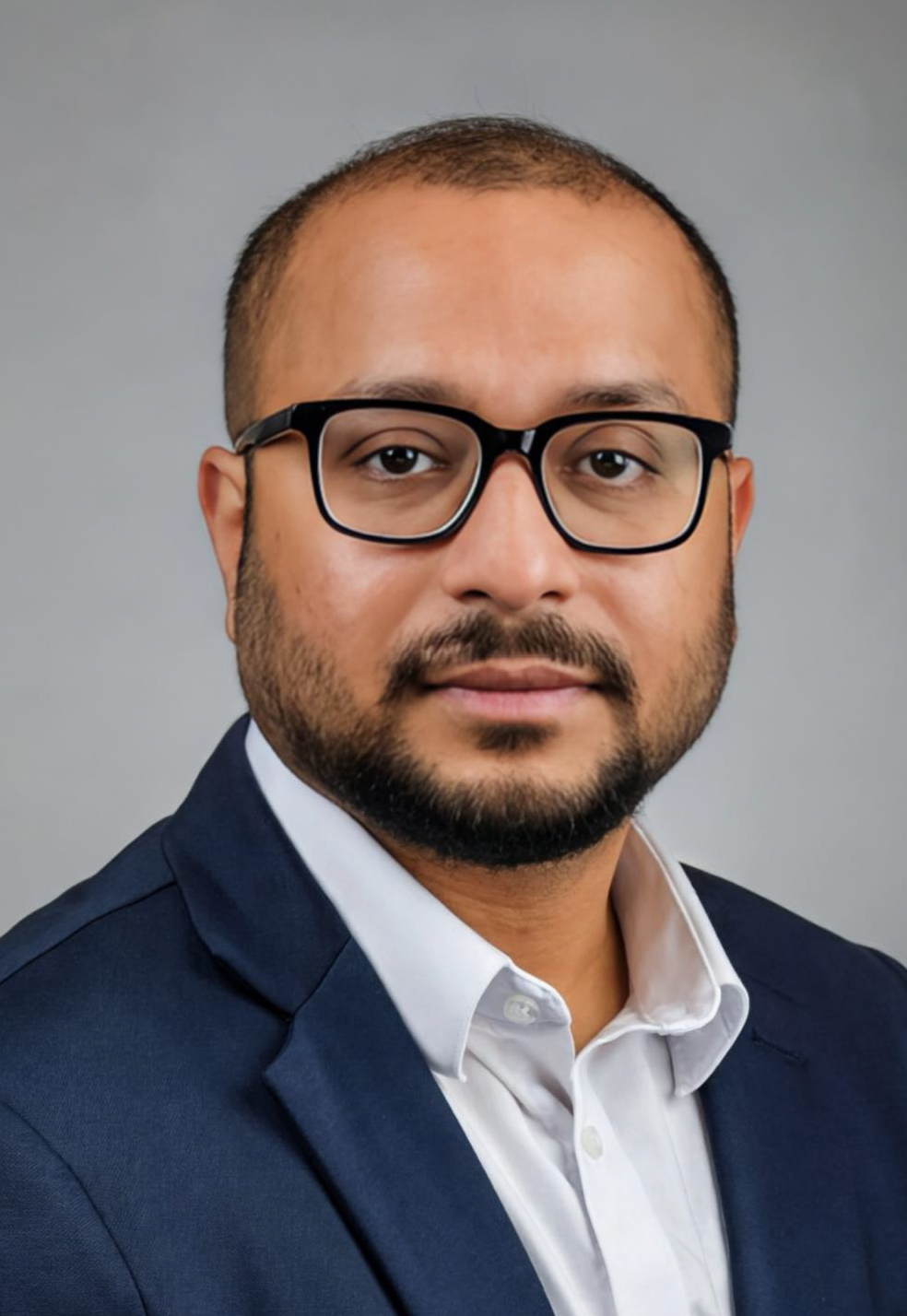
"Advancing One Health through Soil Health: Soil-Plant-Microbial controls on Resilient Agriculture"
Arnab Bhowmik, PhD
Associate Professor of Soil Science, Program Coordinator for Sustainable Land and Food Systems, Dept. of Natural Resources & Environmental Design, College of Agriculture and Environmental Sciences, North Carolina A&T State University
Dr. Arnab Bhowmik is an Associate Professor of Soil Science and Soil Microbiology at North Carolina Agricultural and Technical State University (NC A&T), where he also serves as Program Coordinator for Sustainable Land and Food Systems. His research is grounded in the principle that soil health is a critical pillar of the One Health framework, shaping the interconnected well-being of human, animal, plant, and environmental systems. As the Director of the Soil Sustainability Lab at NC A&T, Dr. Bhowmik studies microbial and biogeochemical processes driving nutrient cycling, transformation, and plant uptake in agricultural soils, with a focus on soil organic matter dynamics and soil-plant-microbial interactions under varying environmental conditions to enhance soil health, nutrient use efficiency, and agricultural resilience. He manages a research portfolio of approximately $26M, supporting interdisciplinary and applied research initiatives. He previously served as a Postdoctoral Scholar at The Pennsylvania State University, where he conducted research on soil microbial ecology and nitrogen dynamics. Dr. Bhowmik is deeply committed to education and mentorship, integrating cutting-edge research into his teaching and earning recognition for excellence in the classroom. He actively contributes to the scientific community as Chair of the Student Mentoring Program in the Soil and Water Management and Conservation Division of the Soil Science Society of America. He received his Ph.D. in Soil Science from North Dakota State University.

1:24-1:31 PM
"Rooted in Green: Forests, Gardens and Human Health"
Jacqueline A. Ricotta, PhD
Chair, Plant Science and Landscape Architecture; Professor of Horticulture, Certified Forest Therapy Guide, Delaware Valley University
Since 2000, Jackie has been a professor of Horticulture at Delaware Valley University where she has taught many different courses. Jackie was instrumental in bringing certified organic to the DelVal farm and helped start the Organic Farming Certificate program (with partner the Rodale Institute) as well as the Sustainable Agriculture Systems major. Jackie received the DelVal distinguished faculty member award in 2012. She has received close to a million dollars in grants over her 26 years as a faculty member and in 2018, she spent a sabbatical semester at Cornell. She is the co-editor of the textbook “Organic Food, Farming and Culture, which was published by Bloomsbury in 2019. Since 2019, she has been the chairperson of the department of Plant Sciences and Landscape Architecture at Del Val, In 2024, she became a certified Forest Therapy Guide and in 2026, The Lexicon of Food published a BBC produced short video profiling Jackie as a professor with a hands-on style of education. https://www.youtube.com/watch?v=b2bCpr3WMFg
1:31–1:45 PM Discussion & Q&A
Panel 6 - Antimicrobial Resistance (AMR)

1:45-1:55 PM
Moderator/Speaker
"From Surveillance to Stewardship: Making One Health AMR Data Actionable"
Anthony So, MD, MPA
Retired Distinguished Professor of the Practice and Director, Innovation+Design Enabling Access (IDEA) Initiative, Dept. of International Health, Johns Hopkins Bloomberg School of Public Health
Anthony D. So, MD, MPA has served as Distinguished Professor of the Practice and Founding Director of the Innovation + Design Enabling Access (IDEA) Initiative at the Johns Hopkins Bloomberg School of Public Health, retiring in April of this year. He also serves as Head of the Secretariat for the Antibiotic Resistance Coalition, an intersectoral alliance of civil society groups and the South Centre, an intergovernmental think tank for 55 developing countries. He served as one of the Co-Conveners of the UN Interagency Coordination Group on Antimicrobial Resistance that delivered recommendations to the UN Secretary General in 2019. He was a co-lead author of the UN Environment Program’s global spotlight report on the environmental dimensions of AMR in 2023.
He previously contributed to the Chatham House Working Group on New Business Models for Antibiotics and the Antibiotic Working Group of the U.S. President’s Council of Advisors in Science and Technology. Two short videos produced by the IDEA Initiative teaming up with partners resulted in awards from the Consortium of Universities for Global Health and Pulitzer Center on Crisis Reporting 2024 global health video competition. For five years, Professor So also organized Innovate4AMR and then Innovate4Health, global student design sprints for developing innovative solutions to tackling emerging infectious diseases. He was recently named to the inaugural Steering Committee of the WHO Civil Society Task Force on Antimicrobial Resistance.
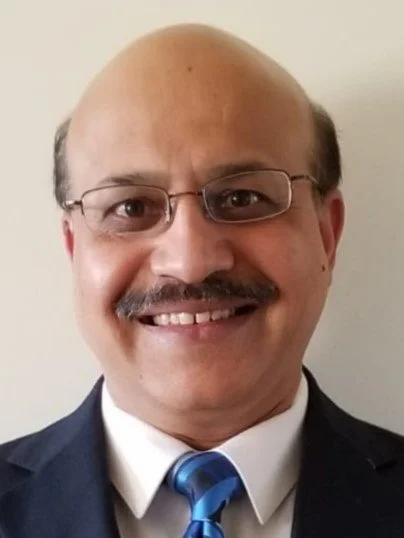
"Antimicrobial Resistance Testing in Veterinary Labs—One Health Opportunities"
Deepanker Tewari, BVSc, PhD, DACVM
Resident Director, Pennsylvania Department of Agriculture, Pennsylvania Veterinary Laboratory
Deepanker Tewari, BVSc, PhD is a board-certified veterinarian in the American College of Veterinary Microbiologists (ACVM). He has trained at Cambridge University, Penn State, and Haryana Agricultural University and has worked at the Rockefeller University and National Institutes of Health. He currently serves as the Lab Director at the Pennsylvania Veterinary Laboratory, part of the Pennsylvania Animal Diagnostic Laboratory System. Dr Tewari is past president of the AAVLD, has also served the ACVM and the National Animal Health Laboratory Network (NAHLN) and serves currently on USDA National Animal Disease Preparedness and Response Program Board. Dr. Tewari’s main interests are emerging infections, One Health, and enhancing disease preparedness.
1:55-2:02 PM
2:02-2:09 PM
"Building Veterinary Awareness for Smarter Antimicrobial Practices"
Erica Tramuta-Drobnis, VMD, MPH, CPH
Founder, ELTD One Health Consulting, LLC
Erica Tramuta-Drobnis, VMD, veterinarian, CPH, is CEO and Founder of ELTD One Health Consulting, LLC. Dr. Tramuta-Drobnis serves as a public health professional, emergency veterinarian, freelance writer, consultant, and researcher. After graduating from UPenn with her VMD in 2005, she practiced clinical medicine exclusively until obtaining her MPH in 2019 from the U. of Fl. She became Certified in Public Health in 2020. She is fervent about One Health and contends that pet health, food safety, agricultural health, and other factors underscore the interconnections among human, animal, and environmental health. Veterinarians are poised to lead One Health initiatives, and she is ardent about topics from antimicrobial resistance to infectious disease management and prevention to vaccine hesitancy and overall immunization health, to conservation.

2:09-2:16 PM
"Turning One Health Signals into AMR Solutions"
Jomana Musmar, PhD, MS
Co-Founder, AMR Strategic Coalition, Founder and Senior Consultant, Advisors of Global Health, LLC
Dr. Jomana Musmar is a distinguished global policy expert and result-oriented leader with decades of intimate government experience within the U.S. Departments of Health and Human Services (HHS), Defense (DoD), and Agriculture (USDA). She excels in cross-functional coordination, strategic planning, operational design, and policy execution. Dr. Musmar is the Founder of Advisors of Global Health (AGH), a consulting firm specializing in government and external affairs, policy and product development, and coalition building. She also Co-Founded and serves as the Chief Executive Officer of the Antimicrobial Strategic Coalition (ASC), an independent organization that leads cross-sector coordination to establish a unified stance on US-based policy positions on Antimicrobial Resistance (AMR) across the One Health spectrum. Dr. Musmar concurrently serves as Leadership Council Member at The National Institute of Antimicrobial Resistance Research and Education, on several global AMR scientific and planning committees including the National Academies of Sciences, Engineering, and Medicine, International Society of Antimicrobial Chemotherapy, World One Health Congress, Global Health Security Network, AMR Narrative, and is an Honorary Senior Lecturer at the University of Bristol in the UK.
Renowned for simplifying complex topics with expertise and diplomacy, Dr. Musmar has spearheaded innovative solutions to global One Health challenges, shaped impactful policies, and advanced national and international missions. As the Executive Director of the Presidential Advisory Council on Combating Antibiotic-Resistant Bacteria (PACCARB) for over a decade, she first established and led the PACCARB's operations liaising with over 600 experts in human, animal, and environmental domains across government, industry, and academia. Her efforts culminated in the development of critical recommendations addressing AMR and interrelated One Health issues, influencing both domestic and global health strategies.
In her tenure as Deputy Director of Strategic Initiatives for the Office of Infectious Diseases and HIV/AIDS Policy within the Office of the Secretary at HHS, Dr. Musmar oversaw the formulation and implementation of national health strategies for vaccines and a range of infectious diseases including HIV/AIDS, sexually transmitted infections, viral hepatitis, and the regulatory policies that govern them. Her leadership and technical expertise facilitated the development of interagency and executive level task forces and streamlined implementation of operations during national emergencies, including responses to the COVID-19 pandemic, and initiatives to combat congenital syphilis and childhood vaccination disruptions.
Dr. Musmar holds a Ph.D. in Biodefense and International Security from George Mason University, a Master's degree in Biomedical Science policy and Advocacy from Georgetown University, and is a Lean Six Sigma Black Belt. Fluent in English and Arabic, she is a sought-after speaker and advisor, having represented the United States at premier global health conferences. Her published works on AMR, pandemic preparedness, and global health security policy underscore her reputation as a thought leader and innovator in public health and biodefense.
2:16–2:30 PM Discussion & Q&A
2:30–3:00 PM Afternoon Break (Poster Viewing and Judging)
Panel 7 — Education & Community Engagement
3:00-3:10 PM
Moderator/Speaker
“One Health Education: From Principles to Practice”
Jennifer Punt, VMD, PhD
Associate Dean for One Health, University of Pennsylvania School of Veterinary Medicine
Jenni Punt, VMD, PhD, is an immunologist who has spent most of her career integrating research and teaching. A Biology Professor at Haverford College for eighteen years, she collaborated with undergraduates to understand the molecular and cellular basis for cell fate decisions during T cell and hematopoietic stem cell development. An Associate Dean for Student Research at Columbia University’s School of Physicians and Surgeons from 2013-2015, she was the founding director of an MD/MSc dual degree program focused on interdisciplinary medical scholarship. Tempted back to University of Pennsylvania's School of Veterinary Medicine, she is now the Associate Dean of One Health and Professor of Immunology in the Pathobiology Department. With the help of Penn Vet’s One Health in Action team, she works to develop interprofessional educational programs that provide our new generation of leaders with skills needed to address complex challenges that impact human, animal, and environmental health. She continues to teach and collaborate with students in the laboratory, where they currently explore the relationship between immune cell activity and animal welfare.

3:10-3:17 PM
"From Talk to Action: Harnessing Collective Wisdom"
Richard V. Piacentini, BS in Pharmacy, MS in Botany, MBA, WELL AP
President and CEO, Phipps Conservatory and Botanic Gardens
Since 1994, Richard Piacentini has led Phipps Conservatory and Botanical Gardens through its transition from public to private management and guided its transformation into a global leader in green building and sustainability. His work is grounded in recognizing the vital connection between human and environmental health.
Under his leadership, Phipps has developed three Zero Energy buildings, including the Center for Sustainable Landscapes—the only building in the world to achieve the Living Building Challenge®, LEED® Platinum, WELL® Platinum (first), SITES™ Platinum (first), BREEAM Outstanding for Operations and Maintenance (first in the U.S.), Fitwel 3 Star, and Zero Energy certifications.
Piacentini led the creation of the Climate Toolkit, a collaborative network enabling museums to share knowledge and inspire climate action. He is a past Board Chair and Treasurer of the International Living Future Institute (ILFI) and continues to serve on its Advisory Board, as well as the Advisory Committee for the Biophilic Cities Network and the Global Commission for Healthy Indoor Air. He is also a past President and Treasurer of the American Public Gardens Association (APGA) and has received leadership awards from ILFI, USGBC, and APGA.
He holds an MS in Botany, an MBA, and a BS in Pharmacy.
3:17-3:24 PM
"Experiential Learning in the Health Sciences: Sustainability as the Classroom"
Corey Flynn, EdD, NDTR
Director, Office of Sustainability in the Health Sciences (OSHS); Assistant Professor, School of Medicine, University of Pittsburgh
Corey Flynn, EdD is the Director of the Office of Sustainability in the Health Sciences and an Assistant Professor in the School of Medicine at the University of Pittsburgh. She teaches experiential, systems‑based courses in sustainable healthcare and sustainable food systems to health science students, integrating human, environmental, and population health through a One Health lens.

3:24-3:31 PM
"Respawn, Reconnect, Collaborate: Teaching One Health through Video Game Worlds"
Justin Brown, DVM, PhD
Associate Teaching Professor, Department of Veterinary and Biomedical Sciences, Penn State University
Justin Brown is a wildlife veterinarian and an Assistant Teaching Professor in the Department of Veterinary and Biomedical Sciences (VBSC) at Penn State University. He received his D.V.M. from Virginia-Maryland College of Veterinary Medicine in 2004 and his Ph.D. in Pathology from the University of Georgia in 2008. From 2008-2013, he was a wildlife disease diagnostician and researcher at the Southeastern Cooperative Wildlife Disease Study. Justin then served as the veterinarian for the Pennsylvania Game Commission from 2013-2018. He has been a faculty member at Penn State since 2019, where he teaches several courses in the VBSC major and conducts applied research. He is passionate about teaching, advising, and supporting student growth, both inside and outside of the classroom. His research interests include understanding the impacts of diseases on wildlife populations and the potential for wildlife involvement in diseases of agricultural or public health importance.
3:31–3:45 PM Discussion & Q&A
STUDENT SHOWCASE
3:45–4:15 PM Presentations
Moderator: Erika Ganda, DVM, PhD, Associate Professor of Food Animal Microbiomes, Department of Animal Science, Dorothy Foehr Huck and J. Lloyd Huck Chair in Global Antimicrobial Resistance, Executive Committee Member, One Health Microbiome Center, Penn State University
Dr. Erika Ganda is an Associate Professor of Food Animal Microbiomes, Department of Animal Science at Penn State University. A veterinarian and microbial ecologist by training, her research focuses on the ecology and evolution of pathogens, resistance elements, and microbiomes across animal production systems. Her work integrates epidemiology, molecular biology, and computational analysis to improve animal health, food safety, and antimicrobial stewardship. She leads federally funded projects on antimicrobial resistance, Salmonella Dublin, and microbiome-driven interventions, with collaborators across academia, public health agencies, and the dairy industry. Dr. Ganda has published widely on microbial genomics, pathogen surveillance, and One Health approaches and is active in mentoring students and international trainees in microbial ecology and data science.
Presenters:
Elizabeth Gilbride
Emily Mullen
Alexis Palucki
Indea Rogers
Ann Safo

4:15-4:30 Awards
CLOSING PANEL: LOOKING TO THE FUTURE
4:30–5:15 PM
Moderator: Dean Maureen Lichtveld, MD, MPH
Dean, Jonas Salk Professor in Population Health and Professor of Environmental and Occupational Health, School of Public Health, University of Pittsburgh
Dr. Maureen Lichtveld, a member and Vice Chair of Council of the National Academy of Medicine (NAM),is Dean of the School of Public Health, the Jonas Salk Chair in Population Health, and Professor of Environmental and Occupational Health at the University of Pittsburgh with over 35 years of expertise in environmental health. As Dean, Dr. Lichtveld oversees seven academic departments, 1,200 students, 165 faculty and 320 staff. Her research focuses on environmentally induced disease, community-engaged environmental epidemiology studies, health disparities, climate and health, environmental health policy, disaster preparedness, public health systems and community resilience. Her expertise in climate and health is locally, nationally, and globally recognized. She is actively involved in Caribbean-wide climate and health research and research training examining the impact of climate change and associated contamination of seafood as a food safety and security issue, and climate adaptation associated with the impact of coastal erosion on forced migration of indigenous nations, including pregnant women with minimal access to health services. She provides technical expertise to several NAM and NASEM committees, including the NAM Grand Challenge in Climate and Health, HMD Boards, Roundtables, and Committees. She is a member of the National Research Council. Dean Lichtveld is the past-Chair of the Consortium of Universities for Global Health. She has co-authored the textbook on Environmental Policy and Public Health. Honors include Johns Hopkins University Society of Scholars, CDC Environmental Health Scientist of the Year, Woman of the Year of the City of New Orleans for contributions to science, and the Pittsburgh Business Times’ 2026 Women of Influence award.

Kristine Gonnella, MPH
Managing Director, Strategy Development Public Health Management Corporation; Executive Director, Pennsylvania Public Health Association
Kristine Gonnella, MPH is the Managing Director of Strategy Development at Public Health Management Corporation (PHMC)and Executive Director of the Pennsylvania Public Health Association (PPHA). In these roles, she leads strategic planning, partnership development, public health advocacy, fundraising, and policy initiatives that strengthen public health systems across Pennsylvania. She works closely with government, healthcare, nonprofit, and community stakeholders to promote evidence-based public health solutions and improve population health outcomes statewide. Kristine holds a Master of Public Health from Johns Hopkins Bloomberg School of Public Health and is pursuing a Ph.D. in Health Policy at Temple University College of Public Health.
Wondwossen Gebreyes, DVM, PhD, DACVPM
Distinguished Professor of Molecular Epidemiology, The Ohio State University, President, Global One Health and Founder and CEO, One Health Global Alliance (OHGA) Distinguished Professor of Molecular Epidemiology; President, Global One Health and Founder and CEO, One Health Global Alliance (OHGA)
Dr. Wondwossen A. Gebreyes is an internationally recognized educator, scientist, and global health leader dedicated to capacity building through integrated training, applied research, and engagement at the global level.
Dr. Gebreyes earned his Doctor of Veterinary Medicine (DVM) from Addis Ababa University in Ethiopia and his PhD in Population Medicine from North Carolina State University. He is the founding Executive Director of the Global One Health initiative at The Ohio State University—one of the nation’s most comprehensive public, land-grant institutions—where he has played a pivotal role in advancing interdisciplinary collaboration across health sciences, agriculture, engineering, business, education, and the social sciences. In recognition of his leadership and scholarly impact, Dr. Gebreyes received the Hazel C. Youngberg Distinguished Professorship from The Ohio State University Office of Academic Affairs and was elected to the U.S. National Academy of Medicine (NAM). He has been instrumental in shaping and advancing the Global One Health paradigm, fostering collaboration across disciplines to address complex global health challenges.
Dr. Gebreyes currently serves in several prominent international leadership roles, including:
Member, Board of Trustees, International Livestock Research Institute (ILRI)
Member, Board of Directors, Science for Africa (SFA) Foundation
Member, Advisory Board, NIH Fogarty International Center
He is the Founder and CEO of the One Health Global Alliance (OHGA) and President of Ohio State Global One Health, LLC, a non-governmental, non-profit entity affiliated with The Ohio State University. The organization is licensed to operate in the State of Ohio and in sub-Saharan Africa, with headquarters in Addis Ababa, Ethiopia. Through this platform, Dr. Gebreyes has led numerous high-impact global initiatives, including efforts addressing COVID-19 social and public health impacts; the Global Health Security Agenda; NIH Fogarty research training programs focused on food-, water-, and vector-borne diseases in Kenya, Ethiopia, and Tanzania; and the Global Innovation Initiative (GII) in Brazil and Mexico. These programs employ integrated, community-engaged approaches to address critical global challenges such as epidemic and pandemic threats, food- and waterborne diseases (including cholera), and antimicrobial resistance, while strengthening institutional and human capacity across regions.
A molecular epidemiologist by training, Dr. Gebreyes is internationally renowned for his work on antimicrobial resistance—one of the most pressing global public health threats. He has led the application of state-of-the-art technologies to strengthen global research and training capacity and has mentored and advised more than 145 local and international students and scholars.
Among his notable academic and professional accomplishments:
Founder of the Global One Health Summer Institute, convened annually since 2012, engaging more than 8,500 trainees from over 75 countries and 20 U.S. states
Author of more than 260 peer-reviewed publications in leading scientific journals
Principal Investigator for multiple research and training programs funded by the NIH Fogarty International Center, CDC, U.S. Department of State, Global Innovation Initiative (U.S., U.K., Brazil), the Bill & Melinda Gates Foundation, and others
Secured more than $65 million in research and programmatic funding across two universities, including $35 million in the past five years.
Dr. Gebreyes has received numerous national and international honors; The Arnold Wedum Memorial Award (2025); the NIH Gold Medallion Award (2019); North Carolina State University Distinguished Alumni Award (2018); Universitas 21 International Award (2016); APLU Michael P. Malone International Leadership Award (2015); and honorable mention for the Andrew Heiskell Award from the Institute of International Education (IIE). He is also a Fellow of the American Council on Education (ACE).
Patricia M. DeMarco, PhD
Mayor Borough of Forest Hills, PA
Patricia M. DeMarco, Mayor for the Borough of Forest Hills, holds a doctorate in Biology from the University of Pittsburgh. She spent a 30-year career in energy and environmental policy in private and public sector positions. She is a Pittsburgh author writing and speaking on sustainable development, environment and health and ethics in public policy. She is a Rachel Carson Scholar and served as Executive Director of the Rachel Carson Homestead Association and Director of the Rachel Carson Institute at Chatham University. She sits as Chairman on the Board of Trustees for Phipps Conservatory and Botanical Gardens.
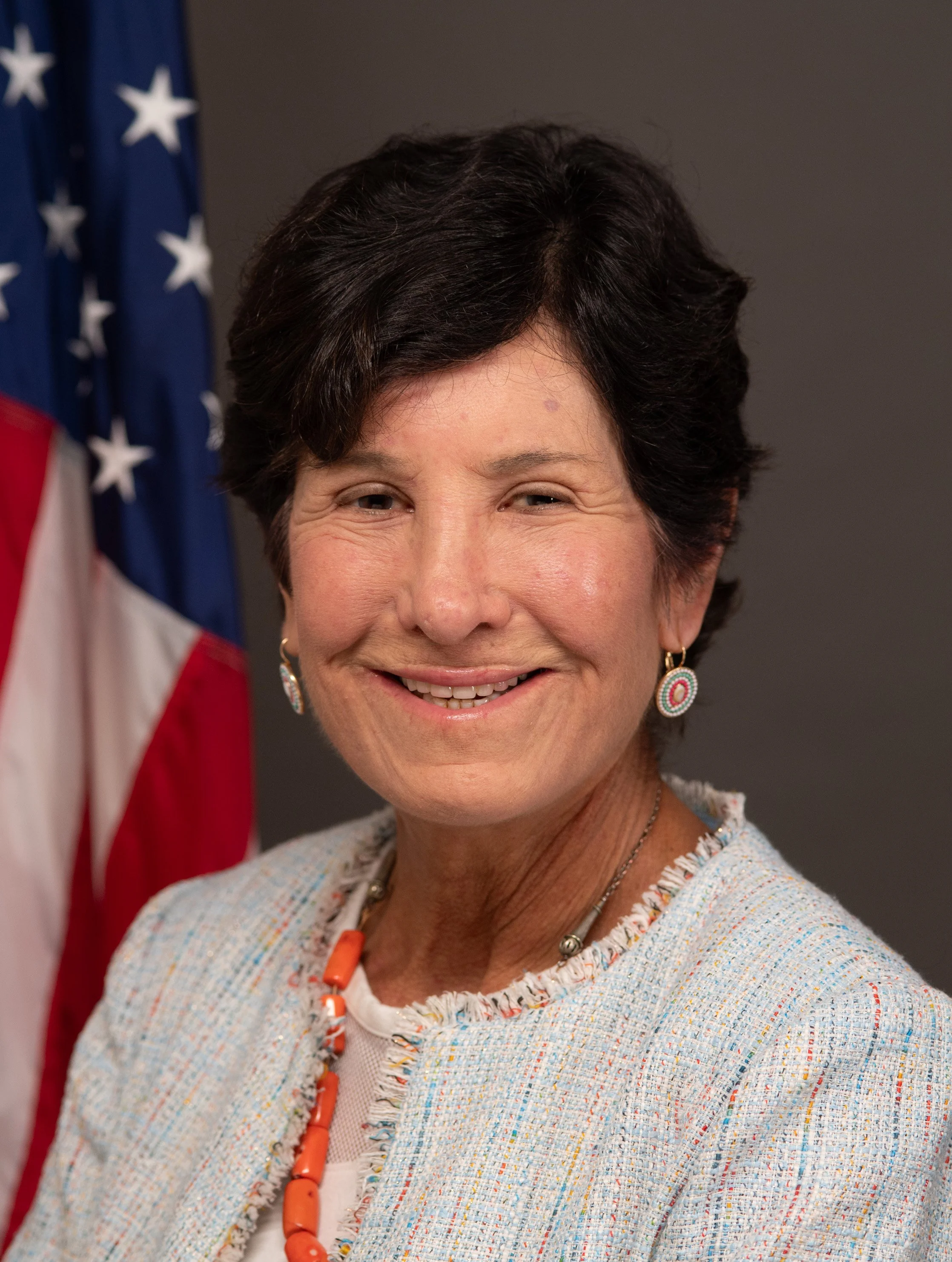
Karen M. Becker DVM, MPH, DACVPM
USDA/APHIS Area Veterinarian in Charge for DE, MD, VA DC and President American Veterinarian One Health Society
Dr. Becker’s career has evolved over the years, to achieve a natural balance between public and animal health sectors. In 2021, she was awarded the One Health Golden Cane Award for her contributions to One Health emphasizing the connections between animal and human health. Since 2023, Dr. Becker has served as President of the American One Health Veterinary Society and this year was selected to serve as a Regional Coordinator for the National Association of Federal Veterinarians.
Dr. Becker received a Bachelor of Arts from Brown University, a Doctor of Veterinary Medine from the University of Illinois’s College of Veterinary Medicine, a Master in Public Health from Johns Hopkins University and is board certified by the American College of Veterinary Preventive Medicine. Dr. Becker currently serves at USDA/APHIS Veterinary Services as the Area Veterinarian in Charge for Delaware, Maryland, the District of Columbia and Virginia with focus on preparedness and response to foreign diseases and ensuring animal health to support the U.S. export and import industry. Dr. Becker served as a CDC Epidemic Intelligence Service (EIS) Officer based in North Carolina with a focus on infectious disease investigations, disease surveillance, emergency preparedness and response. She has worked in Washington DC with HHS’s Office of Global Health, and served as a senior public health advisor to the U.S. Department of Health and Human Service’s Office of Public Health Emergency Preparedness. When Avian Influenza was reported in Africa, she was detailed by USDA’s Foreign Agricultural Service to serve in USAID’s Africa Bureau to assist with the prevention and control of avian influenza as well as other zoonotic and livestock disease threats. Dr. Becker also served as the Director of the Applied Epidemiology Staff within USDA’s Food Safety Inspection Service’s Office of Public Health Science. Before joining APHIS in 2021, Dr. Becker served as Director of the Office of Health Services for the Peace Corps, setting an example for how veterinarians can work with other health professionals to protect and enhance human health.
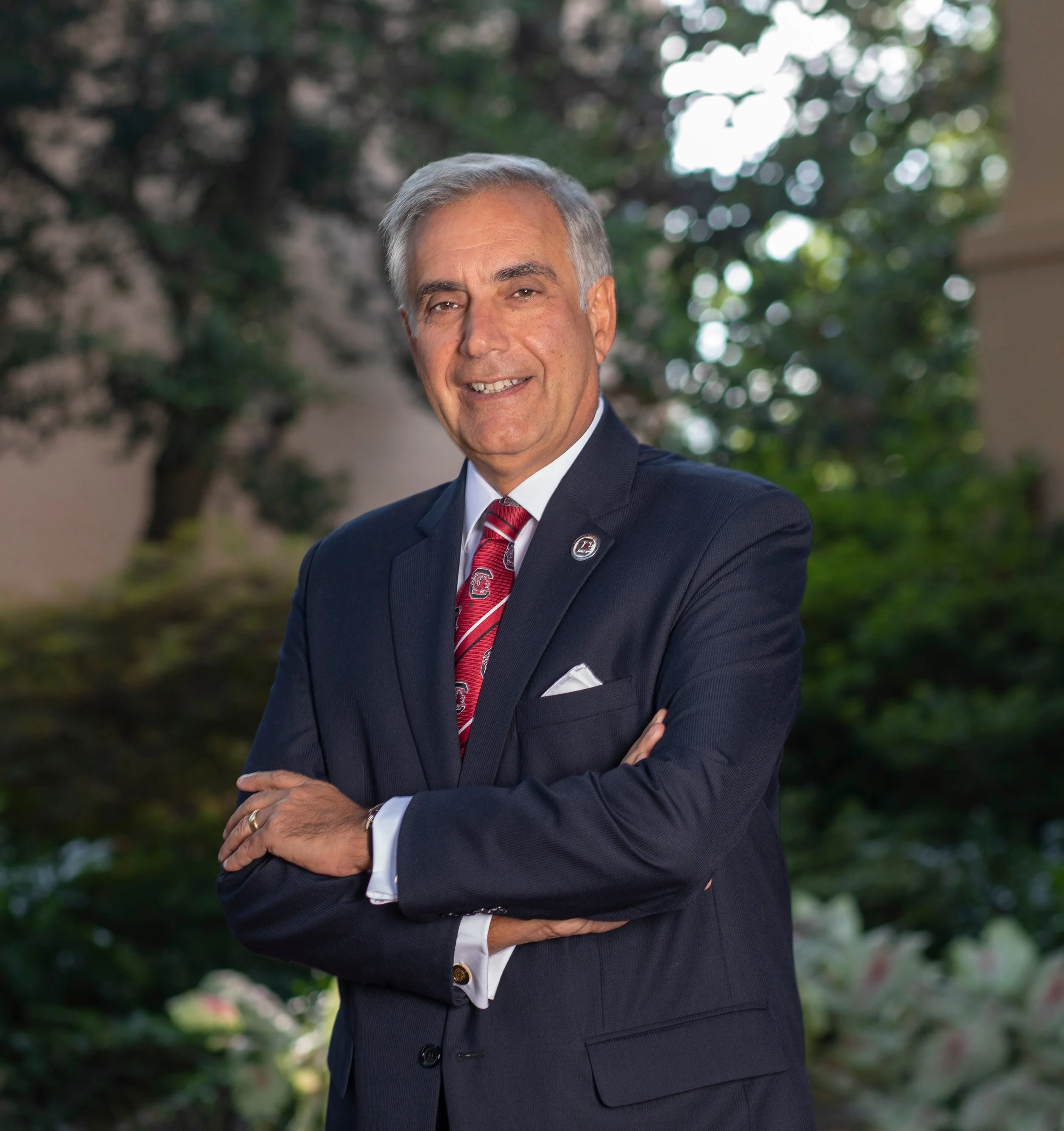
Harris Pastides, PhD, MPH
Distinguished President Emeritus and Distinguished Professor Emeritus
Harris Pastides is Distinguished President Emeritus and Distinguished Professor Emeritus at the University of South Carolina, having served as its 28th president (2008-2019) and Interim President (2021-2022). Since his arrival at the University in 1998, he has also held the positions of vice president for research and health sciences and dean of the Arnold School of Public Health.
Pastides is an advocate for student engagement beyond the classroom through leadership, service learning, international experience, internships and undergraduate research. He has spearheaded nontraditional programs to increase university access and affordability and has worked with universities in Cyprus, Greece, Oman and Qatar to help open avenues for higher education attainment and program development globally. Pastides was one of seven Fulbright alumni to receive the inaugural Global Changemaker Award. The son of Greek immigrants, he received the Ellis Island Medal of Honor in 2017.
Harris Pastides is currently on the Institute of International Education (Fulbright) Executive Committee, the University of Nicosia Medical School’s International Advisory Board, the Cyprus Research and Educational Foundation Board of Trustees, and the College Year in Athens board. He recently completed service on the Council for the International Exchange of Scholars (Fulbright Scholar Advisory Board) as chair; the Universities Research Association, as Trustee and past chair; and from 2020 to 2024 he was the only non-physician trustee of the American Medical Association. His work with the National Academies’ Talent Programs Study Committee produced International Talent Programs in the Changing Global Environment (released in late 2024).
Previous board membership includes the Uber National Safety Board; the Southeastern Conference (SEC), serving as board president 2018-2019; the National Collegiate Athletic Association (NCAA) Division I, which he chaired 2014-2016; and the Association of Public and Land-Grant Universities, serving two terms on its executive committee.
Before joining the University of South Carolina faculty, Pastides was a professor of epidemiology and chairman of the Department of Biostatistics and Epidemiology at the University of Massachusetts at Amherst. He received his Master of Public Health and his Ph.D. in epidemiology from Yale University.
Dean Andrew Hoffman, DVM, DVSc, DACVIM
Gilbert S. Khan Dean, School of Veterinary Medicine, Penn Vet, University of Pennsylvania
Dr. Andrew Hoffman is a large animal veterinarian who started his career in rural New England private practice. He is the Gilbert S. Kahn Dean of Veterinary Medicine at the University of Pennsylvania since 2018. Prior to his appointment as Dean, he was faculty at Tufts University for 24 years, where he assumed numerous leadership roles: Director of Equine Sports Medicine; Director of the Lung Function Testing Laboratory; Director of the Stem Cell Laboratory; and Director of the Regenerative Medicine Laboratory. His over 20 years of continuous NIH funding focused on therapies for emphysema and asthma, including AeriSealTM for human emphysema currently in U.S. clinical trials, and AeroHippusTM, which is the inhaler for treatment of equine asthma. Hoffman also developed a spectrum of non-invasive diagnostic lung function tests in animals ranging from mice to bottlenose dolphins to elephants. At the University of Pennsylvania (Penn) he founded the first Extracellular Vesicle core in the U.S. As Dean, Hoffman has focused on interdisciplinary and interprofessional scholarship for the veterinary profession including new dual degrees for VMD students, and founding the Institute of Infectious and Zoonotic Diseases, Center for Stewardship Agriculture and Food Security, and Wildlife Futures Program. He is a member of the National Academy of Practice, and serves on several advisory groups related to climate change and One Health, including founding Chair of the Climate Change Task Force of the American Association of Veterinary Medical Colleges, the National Academy of Medicine Action Collaborative (Education committee), the National Academy of Science Engineering and Medicine Environmental Health working subgroup, the Methane and Health working group of the Environmental Defense Fund, and Advisory Council for the Environmental Innovations Initiative among other things.
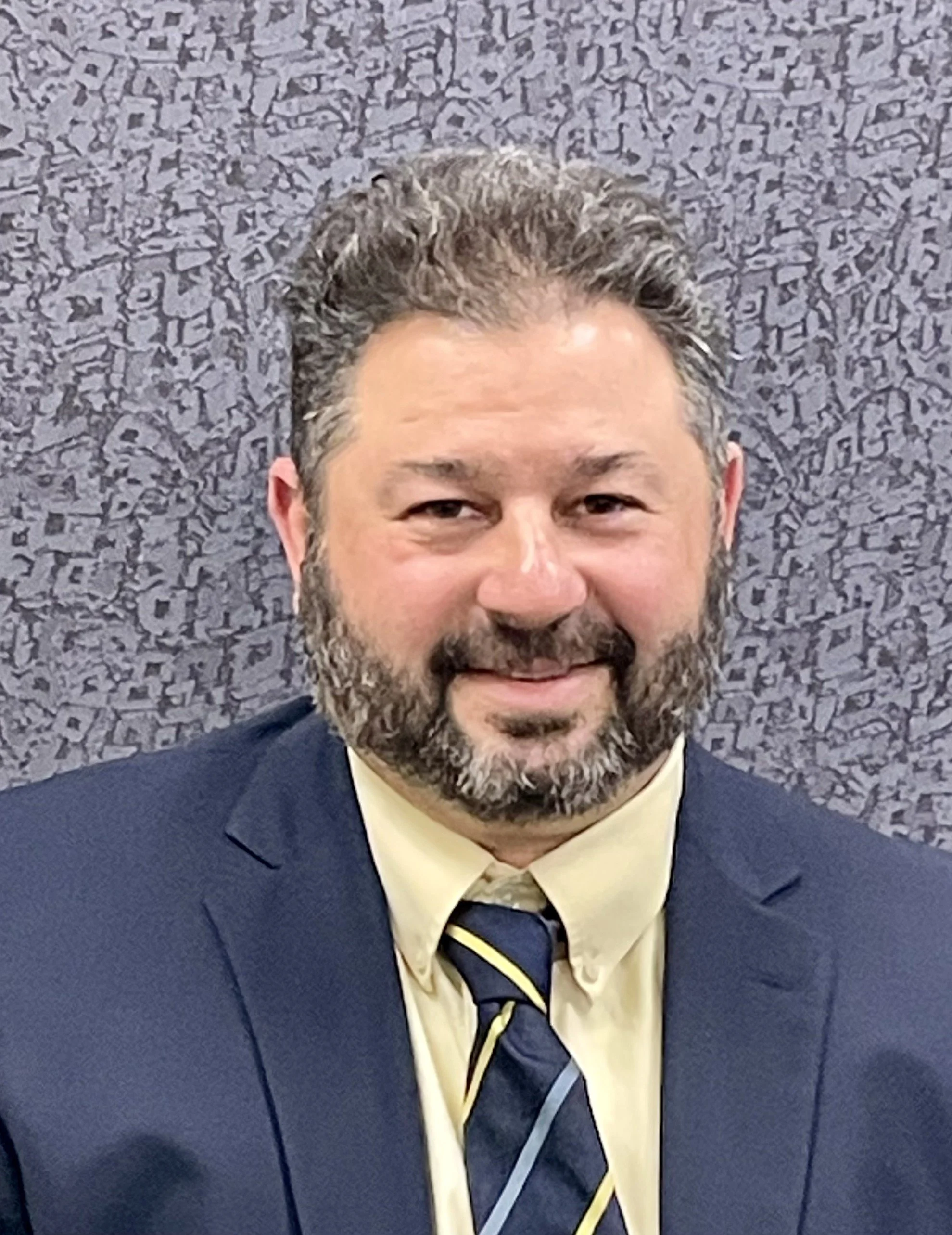
Alex Hamberg, VMD, PhD
State Veterinarian; Director, Bureau of Animal Health and Diagnostic Services; Executive Director, Animal Health and Diagnostic Commission
A longtime resident of Pennsylvania, Dr. Hamberg completed his undergraduate studies at Muhlenberg College in Allentown. After a graduating from Penn Vet in 2003, he spent a short time in private practice before entering an anatomic pathology residency and PhD combined program at the Ohio State University. His PhD work focused on virulence determinants in Porcine circovirus type 2. Dr. Hamberg spent several years as a pathologist for the Ohio Animal Disease Diagnostic Laboratory focusing on diagnostic pathology of food and fiber species before returning to Pennsylvania as lecturer at the University of Pennsylvania School of Veterinary Medicine. In 2014, he joined the Pennsylvania Veterinary Laboratory as a diagnostician, eventually advancing to Assistant State Veterinarian. In December 2022, Dr. Hamberg joined the health care associated infections team at the Pennsylvania Department of Health.
Dr. Hamberg left the laboratories to become the Assistant State Veterinarian for Pennsylvania in 2019 and became the State Veterinarian in 2023. During that time, he has participated in the revision and updating of poultry health initiatives, including those that affect the live bird markets and live bird market supply flocks in Pennsylvania. He works regularly with neighboring states on a variety of livestock and poultry health issues. Dr. Hamberg was also part of the Pennsylvania response to Highly Pathogenic Avian Influenza.
Poster Information
Poster Number 1 Sarah Cory – Identification of HIV and TB incidence and risk factor analysis among pregnant women in Suriname.
Poster Number 2 Cheng-Kai Chiang – Gut microbial metabolism of a key class of corn-derived phytochemicals
Poster Number 3 Cynthia McMillen – Unsuspected threats: Are bunyaviruses causing reproductive consequences in humans and livestock?
Poster Number 4 Justin Brown – Surveillance for Echinococcus spp. in wildlife in Pennsylvania
Poster Number 5 Nate Brown – Surveillance for influenza A virus H5-specific antibodies in Canada geese (Branta canadensis) in Pennsylvania
Poster Number 6 Raye Palko – Using a One Health approach to understand how Borrelia burgdorferi prevalence in blacklegged tick populations in Western Pennsylvania affect human Lyme Disease cases
Poster Number 7 Manoj Kumar – Motif Analysis of Hemagglutinin in H5 Influenza A Viruses Reveals Host-Associated Patterns
Poster Number 8 Melina McConatha – Ecological Care Commons: An Archival Analysis on Multispecies Mutual Aid in Open Spaces
Poster Number 9 Misaki Kobayashi – Environmental Lithium Exposure is Associated with Reduced Emphysema Severity and Progression in the COPDGene Cohort
Poster Number 10 Helen Farnham – Tick Density, Socioeconomic, and Weather Factors as Predictors of Lyme Disease Incidence in Pennsylvania
Poster Number 11 James Mutunga – Microbial diversity of Ixodes scapularis and Culex pipiens populations in Pennsylvania-implications on disease vector control
Poster Number 12 Lisa Murphy – Wildlife health outbreak tabletop exercise to improve pandemic preparedness, planning, and communication
Poster Number 13 Christine Crasto – Disruption of entry receptor binding domains in live-attenuated vaccines for Venezuelan, Eastern, and Western equine encephalitis viruses
Poster Number 14 Alicia Endress – Genotyping Bd Across Spatial and Temporal Scales to Better Understand its Range and Spread
Poster Number 15 Sihan Hao – Incorporating Dual Cyclin-Dependent Kinases 4/6 and 2 Targeting into Treatment to Overcome Tamoxifen Resistance in ER-Positive Breast Cancer
Poster Number 16 Mark Stephens – LION Mobile for One Health: A systems-agnostic, transdisciplinary mobile platform for rural prevention, education, and community revitalization
Poster Number 17 Milo Rent & Hritika Basu – Impact of Climate-Driven Flooding on Water Quality and Infrastructure in Pittsburgh
Poster Number 18 Rachana Senthil – Translational Evaluation of Stem Cell–Based Therapies for Charcot–Marie–Tooth Type 1A: A Cross-Species Systematic Review
Poster Number 19 Josh Mattila – Back from the dead: optimizing culture of the cryopreserved Ixodes scapularis cell line ISE6 as a system for investigating tick-pathogen interactions
Poster Number 20 Mary Elizabeth Rauktis – They will cross the rivers for their pets: Access to routine wellness and stewardship of pet health by low income owners
Poster Number 21 Swastidipa Mukherjee – The role of Hemagglutinin Esterase Fusion (HEF) protein’s transmembrane cysteine residues in fusogenic properties of Influenza D virus (IDV)
Poster Number 22 Neal Gupta – Defining pathogenesis of emerging bunyaviruses at the maternal-fetal interface of humans and livestock
Poster Number 23 Leann Andrews –
Poster Number 24 Federica Geremicca – Life Cycle Environmental and Economic Assessment of Reusable and Disposable Vaginal Specula: A Comparative Study Across Healthcare Systems
Poster Number 25 Samuel Gilvarg – Pyrohealth synchrony: integrating wildland fire into One Health to benefit plants, animals, ecosystems, and people
Poster Number 26 Linda Rose Frank – Mental health challenges and the Pennsylvania farming community
Poster Number 27 Ryan McConnell – Designing a Medical Instrument Re-use Program for the University of Pittsburgh School of Medicine
Poster Number 28 Mae Horne – Chikungunya Virus E2 Glycoprotein Determinants of Host Factor Engagement and Mosquito-to-Human Transmission Dynamics
Poster Number 29 Jill Henning – Reducing Tick Bites through Environmentally-Conscious Solutions
Poster Number 30 Margo McBrearty – Comparative analysis of infection between ancestral HPAI H5N1 and contemporary H5N1 clade 2.3.4.4b viruses in primary human neurons and astrocytes
Poster Number 31 Daria Jelic – A H5N1 Dairy Cattle Isolate Displays Neurotropism in Mice and In Vitro
Poster Number 32 Elizabeth Gilbride – Polymerase selection and expanding host range of H5N1 clade 2.3.4.4b virus
Poster Number 33 Alexis Palucki – Ectoparasites and Regional Variation in the Groundhog Gut Microbiome
Poster Number 34 Indea Rogers – Brain Organoids as a Tool for Pandemic Preparedness and Assessing Neurotropism of Emerging Zoonotic Viruses
Poster Number 35 Ann Safo – Invasion Dynamics of Aedes albopictus in Pennsylvania
Poster Number 36 Emily Mullen – Awareness and Reporting of Harmful Algal Bloom Related Illness (HABs): Literature Review and Preliminary Survey of Healthcare Providers in Pennsylvania
Day 3, Tuesday, June 23 PAOHC Member & Partner Session
University of Pittsburgh – University Club, Ballroom B
123 University Pl | Pittsburgh, PA 15213
8:00-9:00 AM Panel “From Global to Local: Implications of One Health”
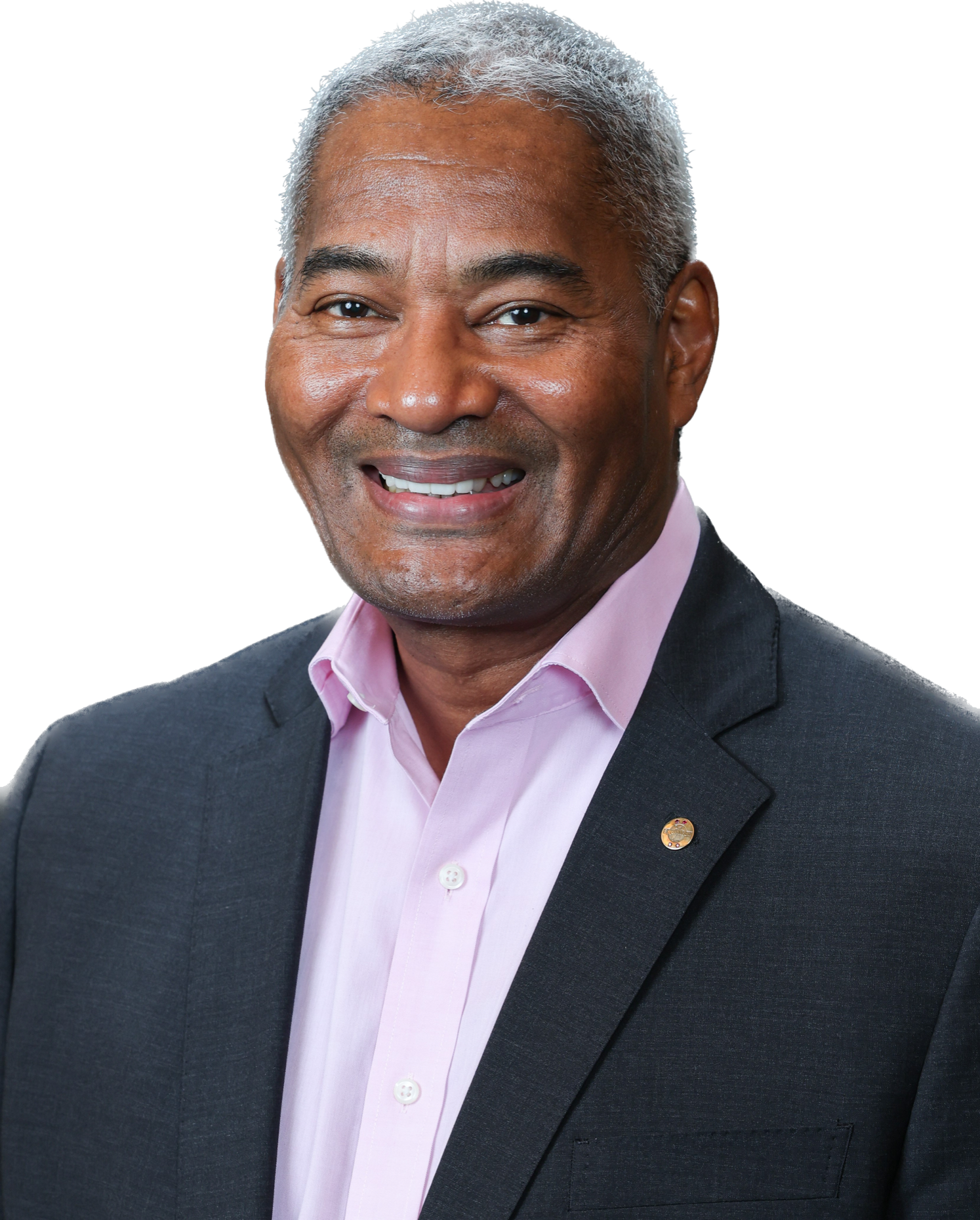
"Infectious Diseases Global Impact Through the Lenses of One health”
Malick Diara, MD, MBA, MPH
Adjunct Associate Professor
Malick Diara is a former health executive at ExxonMobil, bringing extensive expertise in corporate medicine, and occupational health, as well as in public and community health. His international experience includes positions such as Mozambique Occupational Health Manager and Global Public Health Manager, and Health Program Manager with several other organizations. Dr. Diara is recognized for his effectiveness in working across a variety of professional, cultural, and geographic contexts, forging strong collaborations that advance health outcomes and program objectives. He is a member of the National School of Tropical Medicine with Dr Peter Hotez and a former board member of the Global Health Board of the National Academies.

"WISAR: a One Health Antimicrobial Resistance Database "
Hannah Fenelon, MPH
Data Manager and Analyst, Center for One Health Research, University of Washington
Hannah Fenelon (she/her) is an epidemiologist working at the Center for One Health Research at the University of Washington. She leads data management and analytical efforts across One Health research projects focused on antimicrobial resistance, vector-borne disease, the One Health Clinic, wildlife health, and global viral surveillance research. Hannah has led the modernization of the Washington Integrated Surveillance for Antimicrobial Resistance (WISAR) database, which contains over 1 million One Health isolates with antimicrobial susceptibility data from the Pacific Northwest and beyond.
"One Health in Practice: Partnership Lessons from Allegheny County”
Iulia Vann, MD, MPH
Director, Allegheny County Health Department
Dr. Iulia Vann is a distinguished public health leader dedicated to advancing health equity, innovative policy development, and systemic change. As the Public Health Director for Allegheny County, she leads the strategic implementation of the Health Department’s priorities including Plan for Healthier Allegheny, a comprehensive community health initiative addressing physical health, behavioral health, and environmental health. With an extensive background in public health administration, Dr. Vann oversees multimillion-dollar budgets and large-scale public health operations, ensuring that data-driven, equity-focused policies drive community health improvements. Her expertise spans social justice, health disparities, and federal, state, and local health policy. She has played a pivotal role in addressing emerging health threats, including serving as a Public Health Incident Commander during the COVID-19 response. Dr. Vann holds a Master of Public Health from East Carolina University and a Doctor of Medicine from the University of Medicine and Pharmacy Carol Davila. She is a champion of community engagement, workforce development, and collaborative public health interventions, ensuring that all residents -particularly the most vulnerable - have the opportunity to lead healthy lives.
9:00-9:30 AM State of the Consortium
9:30 -11:00 AM Working Groups + Report Back
11:00-1:00 PM Advisory Board Lunch Meeting
Thank You to Our Planning Committee Members
Maureen Lichtveld, Jim Holt, Suresh Kuchipudi, Val Beasley, Evelyn Crish, Lisa Graybeal, Michelle Grundahl, Santhamani Ramasamy, Alexander Zingher, Kaitlin Kirkpatrick Heimke, Beth Junecko